Whoa!
Trading platforms are weirdly personal.
They feel like tools, sure, but they also reflect how you think about markets, execution, and risk; and for me that matters a lot.
My instinct said cTrader would be “just another platform,” but something felt off about that first impression — in a good way.
Initially I thought it was just cleaner UI, but then I dug in and saw the architecture that actually supports algorithmic workflows and institutional-grade order handling, which changed how I use it every day.
Wow!
The app’s layout is sharp without pretending to be minimal.
Charts load fast and the order ticket is honest and actionable.
On one hand it’s approachable for discretionary traders, though actually it’s built with algo traders in mind too, because of how it handles market and conditional orders under the hood.
That means less faff when you’re juggling cBots, custom indicators, and live execution — which, trust me, can get messy very fast if the platform wasn’t designed that way.
Really?
Yes, really.
The cTrader ecosystem separates the trading interface from the algorithmic layer in a way that feels mature.
You can prototype an idea visually, then move to automated algo execution without relearning a dozen menus.
And when you pair that with a good broker, the latency and fill behavior become the quiet background that lets your strategy actually show what it can do, instead of being obscured by poor order handling.
Hmm…
I’ll be honest — building simple strategies on other platforms used to annoy me.
Too many little quirks and edge-cases: slippage handling, hidden partial fills, and order pip offsets that behaved differently between demo and live.
With cTrader, the cAlgo/cTrader Automate environment puts execution controls and diagnostics front and center, so you can instrument and debug somethin’ without guessing.
The result is fewer “oh no” moments in live trading, and more time iterating on strategy logic and risk control.
Whoa!
Backtesting on cTrader is surprisingly usable.
It gives realistic tick-based replay when you push it, and you can step through trades in a way that forces you to confront execution assumptions.
Initially I thought tick replay was just for show, but after a few sessions I realized the difference between a theoretical edge and a practically executable edge, which is huge for CFD traders who depend on tight spreads and consistent fills.
If you care about whether an edge survives real execution, this capability is one of the things that will save you a lot of bad nights.
Seriously?
Yep.
The platform also supports off-the-shelf cBots and a marketplace for sharing ideas, which is annoying and useful at the same time.
Annoying because you see shiny strategies that promise the moon.
Useful because you can deconstruct those strategies, test the plumbing, and adapt parts that actually make sense for your timeframe and capital.
Here’s the thing.
Algorithmic trading is not magic.
You need clean data, deterministic order behavior, and a development loop that doesn’t punish you for iterating.
cTrader’s API and scripting environment give you access to order lifecycle events, margin checks, and trade reports in a way that’s consistent between demo and live — which reduces surprises when you deploy.
On top of that, the UI exposes the same trade parameters so what you test is what you get, and that alignment is rare and valuable.
Wow!
CFD traders will appreciate the risk controls.
The platform lets you layer stop-losses, take-profits, guaranteed stops (where offered), and scaling rules without hacking together kludges.
I’m biased, but this part bugs me when other platforms hide these details behind a dozen menu clicks or offer them inconsistently.
With cTrader you can backtest a scaling-in approach, then simulate margin impact and worst-case scenarios before touching live funds, which is a responsible way to trade CFDs given their leverage.
Hmm…
Connectivity and broker choice matter.
Not all brokers offering cTrader are equal — spreads, execution model (STP/ECN), and server proximity change outcomes.
On the flip side, the marketplace of brokers supporting the platform gives you options, and you can often trial execution quality on demo before committing capital.
If you want to install the desktop or Mac client, or try the Windows build, a straightforward place to start is the official distribution pages; for example, you can find the cTrader download here: ctrader, which helps get you up and running quickly.
Whoa!
The community aspect is underrated.
Forums and strategy repositories accelerate learning, but they also surface common pitfalls — repeated mistakes that waste time and money.
I learned more from auditing other people’s cBots than from many paid courses, because code shows you actual implementation choices and their trade-offs.
On the other hand, you must be critical: lots of strategies are overfitted or optimized without realistic execution constraints, so keep skepticism high.
Really?
Absolutely.
Execution transparency is where cTrader differentiates itself, because you can inspect trade logs, test under tick replay, and instrument your cBot with detailed debug output.
That makes root-cause analysis of bad trades faster, and it reduces the fatalism that plagues many retail traders who think markets are just “random.”
Markets have randomness, yes, though the difference between a failed strategy and a poorly executed one is often operational rather than statistical.
Here’s what bugs me about automation myths.
People expect algorithms to be set-and-forget.
That’s wishful thinking.
You need monitoring, alerts, and a plan for outages or extreme market events — somethin’ that too many traders ignore until it’s too late.
cTrader’s notifications and server-side hosting options mitigate some of that, but they don’t remove the need for active oversight and contingency planning.
Whoa!
Mobile trading is surprisingly functional.
The iOS and Android apps mirror many desktop features without overpromising, and for quick management of positions they’re solid.
They won’t replace full development or deep analysis, though, so think of mobile as operational rather than creative.
If your strategy requires tight intraday intervention, the mobile app is a lifeline; if it requires deep backtesting, you’ll still live on desktop for most of your workflow.
Hmm…
Regulation and broker reliability still trump platform bells and whistles.
A great platform with a weak broker is a gamble.
So match cTrader’s tech strengths with a reputable counterparty, review their order execution policy, and if possible test with small size before scaling.
This two-step approach — test tech, then test execution in production light — is boring, but it saves capital and sleepless nights.

Practical Tips for Getting Started with cTrader and Algo Trading
Wow!
Start small and instrument everything.
Log entry conditions, slippage, and latency.
Initially I thought my strategy’s edge would show up immediately, but after instrumenting I realized latency patterns were eating expected profit every week — so I optimized execution and retested, which improved real P&L materially.
Keep a lab notebook-like approach: timestamp tests, record broker details, and track environmental changes so you can separate code risk from market risk.
Really?
Yes, monitor trade-by-trade performance.
Use realistic tick data when backtesting and augment with forward testing in a demo account.
On one hand you can be tempted to rush to live trading, though actually patience during the testing phase compounds into lower drawdowns later, which is your friend when markets surprise you.
I’m not 100% sure of every outcome, but this cautious approach has saved me from several painful learning moments.
FAQ — Quick Answers Traders Ask
Is cTrader suitable for beginners or only advanced algotraders?
It works for both.
Beginners get a clean interface and helpful charting, while algo traders get cBots, a solid API, and realistic backtesting; so you can grow within the same environment rather than moving platforms and relearning everything.
Do I need coding skills to use cTrader’s automation?
Basic coding helps.
You can start with simple scripts and modify examples from the community, but durable algorithmic work benefits from consistent programming discipline and version control — something many traders underestimate at first.
How do I manage risk when using CFDs with algorithms?
Prioritize position sizing, guarantees, and stress testing.
Simulate worst-case margin moves, enforce automated stops, and monitor overnight event risk; that way your strategy’s edge isn’t wiped out by a single gap in the wrong direction.







 News
News
 Genel
Genel

















 ABD vizesinde yeni dönem: Sosyal medyaya gizlilik ayarları şartı getirildi
 Köfteci Yusuf’ta müşteri ve çalışanların verileri sızdı
 Uyuşturucu partilerinin barmeni itirafçı oldu
 Dolar çöktü, altın rekora koştu
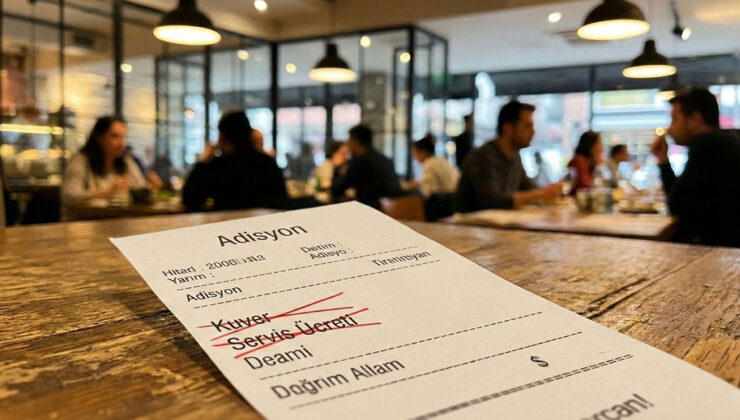 Kuver, servis ücreti gibi ek ödemeler kaldırılıyor
 Bakan Fidan’dan AB mesajı: Öncelikli hedefimiz gümrük birliği ve vize serbestisi
 Rekabet Kurulu’ndan ünlü kozmetik markasına soruşturma
 2025’te yakalanan uyuşturucu; 34 ton
 Güney Kore’den Trump’a tepki
 Trump, Güney Kore’ye uygulanan gümrük vergilerini yüzde 25’e yükseltti
 AB, Rusya’dan doğal gaz ithalatını tamamen yasaklıyor
 BUSİAD’dan Bursa Otomotiv Tarihi Kitabı
 Emniyet Müdürlüğü’ne el yapımı patlayıcı ile saldırı girişimi
 Altın haftaya rekorla başladı.
 Türkiye ile AB arasında STA uçurumu açılıyor