12 Mart 2026 itibariyle Covid-19 ile mücadelede aşılanan sayısı kişiye ulaştı.


09:56 /
Trump’tan İran’a Hürmüz uyarısı
12 Mart 2026 itibariyle Covid-19 ile mücadelede aşılanan sayısı kişiye ulaştı.



Whoa!
Prediction markets used to live in academic papers and niche forums, but now they feel like a Saturday afternoon at a busy trading desk—fast, noisy, and full of odd bets. My instinct said this would be a small corner of crypto, but then the data and the designs started to pile up and I changed my mind. Initially I thought liquidity would be the killer barrier, but actually the deeper problem is aligning incentives across traders, liquidity providers, and oracles—those three have to sing the same song. Seriously?
Hmm… this part bugs me a little: many early designs borrowed too directly from centralized sportsbooks without rethinking identity and censorship resistance. On one hand, a regulated, centralized model makes compliance simple and offers a familiar UX; though actually, that convenience sacrifices the core promise of permissionless markets. Here’s the thing. When a market is truly decentralized, you need neutral resolution, open access, and composability with other DeFi primitives—and that changes everything about product-market fit. My gut said that users would trade purely on prediction, but they also trade on leverage, liquidity mining, and gamified rewards.
Whoa!
AMM designs tailored for prediction markets look similar to constant product pools, but they require careful payoff mapping and fee structures to prevent manipulation. Medium-term liquidity incentives—especially token emissions aimed at LPs—can bootstrap depth, though they risk creating fake volume if the incentives dwarf genuine informational bets. Actually, wait—let me rephrase that: incentives should be layered so that early emissions help find equilibria, and then protocol-level fees sustainably reward liquidity without depending on endless token drips. Something felt off about naive token-first growth; you can see that in markets where value accrues to token speculators instead of market-makers and oracle reporters. I’m biased, but the best designs let markets stand on their own once the seeding period ends.
Whoa!
Oracles are the spine of these systems and they are also the single biggest vector for failure, so decentralization here isn’t optional. Initially I thought a single reputable feed would do—easy and cheap—yet credible history shows single points of failure get exploited or pressured. On the other hand, multi-source oracles and stake-based reporting introduce complexity and latency, though actually, combining them with dispute windows and economic bonds usually gives a pragmatic middle ground that preserves decentralization without breaking UX. My working solution has been hybrid layers: fast relays backed by on-chain disputes, with financial skin-in-the-game for reporters. That doesn’t solve every edge case, but it makes manipulation expensive and increases community trust.
Whoa!
UX is an underrated battleground. Most crypto-native markets assume users understand wallets, gas, slippage, and AMM math, but the mainstream consumer doesn’t care about impermanent loss or bonding curves. Okay, so check this out—user flows that abstract wallet friction and present probabilities as simple odds increase participation dramatically. I’m not 100% sure about which onboarding hooks work best, but partial custody rails, social sign-ins, and fiat rails (carefully implemented) can broaden reach without compromising decentralization too much. There’s risk here: too much abstraction, and you recreate a gated, centralized product under a pseudonymous skin; too little, and you keep the hobbyist-only audience.
Whoa!
Regulation will shape the space faster than expected, and US rules are already casting long shadows over what kinds of markets are feasible for on-chain venues. On one side, betting markets (sports, elections) trigger gambling and securities statutes in many jurisdictions; on the other, pure prediction markets with informational value lean toward free speech protections and academic uses. Initially I thought legal patchworks were just annoying overhead, but then I realized they’re design constraints that actually produce healthier, resilient protocols. For example, markets framing themselves as research or consensus mechanisms often design around non-binary outcomes, multi-stage settlement, and transparent fee flows to reduce regulatory risk.

Whoa!
Composability is the creative bit that gets me excited. Prediction markets that plug into lending, options, oracles, and insurance open up new hedging and leverage strategies. On one hand, you can collateralize prediction positions into loans or use them as signals for automated hedging; though actually, the plumbing is messy—margin, liquidation, and cross-protocol risk need careful modelling. My experience says start small: build firm, auditable bridges before enabling exotic cross-protocol leverage. Something about seeing a liquid market get flash-crashed because an oracle feed lagged makes me very cautious.
Whoa!
Community governance matters less than people expect—or rather, it’s important but rarely the immediate solution to product-market problems. Initially I thought fully DAO-led product decisions were the gold standard, but then I observed slow governance loops killing fast iterations. On the flip side, centralized teams can ship quickly but risk alienating users seeking decentralization. There’s a middle path: stewarded decentralization, where a small trusted team executes within a transparent governance charter while stakeholders ratify high-level changes. That pattern preserves velocity without selling out decentralization entirely, and it tends to align incentives better in early stages.
Whoa!
Market design choices also determine where value accrues. Binary markets are easy to understand but limit composability; scalar markets increase expressiveness but complicate oracles and UI. Medium-term, I think portfolios of linked markets—multi-conditional events—will create richer hedging opportunities and attract institutional liquidity. I’m biased towards modular protocols; they let specialized teams build prediction primitives and others compose them into financial products. There’s a lot of experimentation ahead, and some of it will fail spectacularly, very very publicly.
Whoa!
Practical tips for builders: prioritize honest incentives, test oracles under attack simulations, and make liquidity provision attractive beyond transient token emissions. My instinct said “go fast,” but slow, careful modelling of fee curves and market-maker rewards beats viral launches with broken user experiences. On one hand, early traction looks great in metrics; though actually, if that traction is paid for entirely by emissions it won’t translate into a sustainable market. Keep product heuristics simple: low friction, clear payouts, predictable settlement timing, and a layer of economic slashing for bad oracle behavior.
I’ve watched several protocols iterate in public and learned more from failures than from press releases. Check out how experimental products run markets, community-driven disputes, and payout logic on platforms like polymarket—their approach to open markets and community reporting is instructive. Something about seeing a live market resolve cleanly after a messy dispute gives you faith that decentralized systems can work at scale. I’m not endorsing everything—there are trade-offs—but it’s a useful case study for builders and traders alike.
Short answer: economic disincentives, multiple oracles, and dispute mechanisms. Longer answer: require reporters to stake value, set dispute windows long enough for challengers, diversify data sources, and make manipulation more expensive than the potential gain; combine that with on-chain transparency so suspicious positions are visible early. Also, good UX helps—if people understand how to hedge and arbitrate, markets self-correct.
They can, but risk profiles change. Institutions need custody integrations, regulatory clarity, and predictable settlement procedures. Progressive product design that separates institutional rails from public markets—while sharing liquidity through pools—helps accommodate them without exposing retail users to undue complexity.

Ümit Özdağ “MİT” davasında beraat etti
 1
İş dünyası 2020’ye umutla bakıyor
418315 kez okundu
1
İş dünyası 2020’ye umutla bakıyor
418315 kez okundu
 2
Sanayi Bakanı Müjdeyi verdi!
295154 kez okundu
2
Sanayi Bakanı Müjdeyi verdi!
295154 kez okundu
 3
Dış ticaret açığı, ağustosta yüzde 168 arttı
110856 kez okundu
3
Dış ticaret açığı, ağustosta yüzde 168 arttı
110856 kez okundu
 4
Gümrük alacaklarını yapılandırmaya ilişkin usul ve esaslar belli oldu
78642 kez okundu
4
Gümrük alacaklarını yapılandırmaya ilişkin usul ve esaslar belli oldu
78642 kez okundu
 5
“Ekonomi Bilim Kurulu kurulsun”
78019 kez okundu
5
“Ekonomi Bilim Kurulu kurulsun”
78019 kez okundu

Manga Casino Inloggen Snel En Veilig Voor Spelers
Best Online Casinos in Canada: Top Casino Sites with Real Money and License
İspanya, İsrail’deki büyükelçisini geri çekme kararı aldı

Emekli bayram ikramiyesi için tarih netleşti

Ünlü tarihçi İlber Ortaylı yoğun bakıma alındı

Bursa OSB’de Seçim: Hüseyin Durmaz Yeniden Başkan

Hürmüz Boğazı’nda bulunan 15 Türk gemisi ile ilgili açıklama

Bursa’dan ihracat atağı! 3. oldu

Trump’tan İran’a Hürmüz uyarısı

Türkiye’de enerji sıkıntısı var mı?

Manga Casino Inloggen Snel En Veilig Voor Spelers
Best Online Casinos in Canada: Top Casino Sites with Real Money and License
İspanya, İsrail’deki büyükelçisini geri çekme kararı aldı
Emekli bayram ikramiyesi için tarih netleşti
Ünlü tarihçi İlber Ortaylı yoğun bakıma alındı
Bursa OSB’de Seçim: Hüseyin Durmaz Yeniden Başkan
Hürmüz Boğazı’nda bulunan 15 Türk gemisi ile ilgili açıklama
Bursa’dan ihracat atağı! 3. oldu
Trump’tan İran’a Hürmüz uyarısı
Türkiye’de enerji sıkıntısı var mı?
bursa escort görükle eskort görükle escort bayan bursa görükle escort bursa escort bursa escort bayan


 News
News
 İspanya, İsrail’deki büyükelçisini geri çekme kararı aldı
 Emekli bayram ikramiyesi için tarih netleşti
 Ünlü tarihçi İlber Ortaylı yoğun bakıma alındı
 Bursa OSB’de Seçim: Hüseyin Durmaz Yeniden Başkan
 Hürmüz Boğazı’nda bulunan 15 Türk gemisi ile ilgili açıklama
 Bursa’dan ihracat atağı! 3. oldu
 Trump’tan İran’a Hürmüz uyarısı
 Türkiye’de enerji sıkıntısı var mı?
 Mersin Büyükşehir Belediyesi’ne operasyon: Gözaltılar var
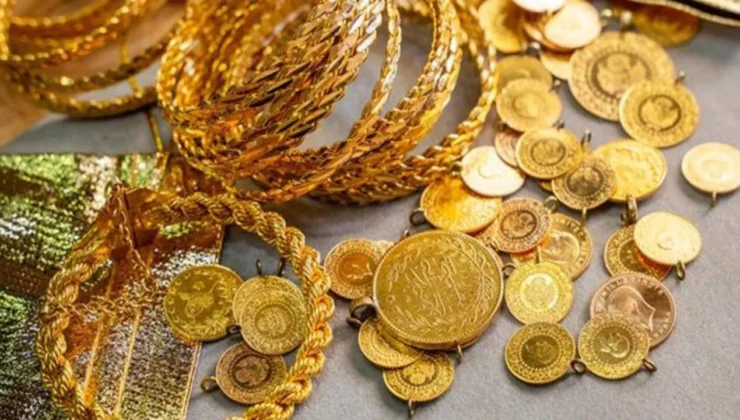 Altın, IEA’nın rekor petrol rezervi planı sonrasında yükseldi
 İmamoğlu’nun da yargılandığı İBB davasında ikinci gün