12 Mart 2026 itibariyle Covid-19 ile mücadelede aşılanan sayısı kişiye ulaştı.


09:56 /
Trump’tan İran’a Hürmüz uyarısı
12 Mart 2026 itibariyle Covid-19 ile mücadelede aşılanan sayısı kişiye ulaştı.



Whoa! I know that sounds dramatic. Most people start with an exchange, quick and easy. But my instinct said: slow down—this is where the real risk lives, and you can avoid a lot of pain if you get the basics right early. Initially I thought having a password manager was enough, but then I realized cold storage is a different beast and deserves respect.
Seriously? The headlines will tell you otherwise. Hacks make for great stories. They also make for very expensive lessons. On one hand you can keep coins on an exchange for convenience; though actually, custodial risk means your keys are not yours.
Hmm… something felt off about the way people casually treat private keys. I’m biased, but custody is everything. That feeling pushed me to study hardware wallets closely. Over years of testing devices across firmware versions I collected somethin’ like a mental checklist of what actually matters.
Here’s the thing. Not all hardware wallets are created equal. Some focus on usability, others on extreme security. You can get both, but you’ll pay for it, in time or money or both.
Quick primer: a hardware wallet stores private keys offline. It signs transactions without exposing the keys to your internet-connected devices. That reduces attack surface dramatically. And yes, it’s annoying sometimes—recovery phrases, firmware updates, PINs—but the tradeoff is better long-term safety for your coins.

Short list first. Get a device that supports the coins you hold. Pick one with a reputable maker and an active firmware update cadence. Choose a device with a recovery process you can follow reliably, and make sure physical durability and user interface match your comfort level.
Security basics are simple on paper. The private key must never leave the device. The device should verify addresses on its own screen. The seed phrase recovery should be structured and, ideally, allow for passphrase protection (BIP39 passphrase or similar). Those are medium-complexity design choices, but they change threat models profoundly.
On the other hand, there are UX issues that matter hugely in practice. If setup is so confusing you write the seed on a sticky note and tape it to your monitor, you lost the game. So ergonomics count. I’m not 100% sure which device is objectively perfect, but I can say which tradeoffs annoyed me more often than not.
For people new to hardware wallets, a few terms will come up repeatedly: seed phrase (also called recovery phrase), PIN, firmware, and passphrase. Learn them. Seriously, those four cover most mistakes I’ve seen. And don’t skip firmware updates—many fixes are security-related, not cosmetic.
One more practical tip: avoid buying hardware wallets from third-party sellers you don’t trust. Tampering risks exist. Buy from the vendor or an authorized reseller. If you see a device priced too low on a marketplace, assume there’s a reason.
Okay, so check this out—I’ve used multiple wallets, and Trezor’s design philosophy is easy to respect. The interface is transparent about what is being signed, the devices have long-standing software support, and the company publishes documentation that actual humans can read. I’m not here to shill blindly, but the reliability and community scrutiny matter a lot.
If you want to try one, see trezor for official setup guides and downloads. Read the instructions. Do it carefully. Use an air-gapped machine if you’re doing advanced operations (like multisig or passphrases), and write your recovery on paper or steel—don’t rely on screenshots or cloud notes.
My instinct warned me about passphrases the first time I tried them. Initially I thought a passphrase was an obvious win; but then I realized forgetfulness and risky storage turn it into an additional single-point-of-failure. On the flip side, when used correctly, passphrases add a powerful extra layer to your security model.
Honestly, passphrases are like a second brain. They are great if you can remember them and keep them secret. They are dangerous if you treat them casually. So plan a scheme that matches your memory and backup strategy.
Another real-world bit: your phone or laptop will often be the weakest link. Keep those devices patched, use strong unique passwords, and consider a dedicated device for crypto activity if you hold substantial sums. This is one of those slower, analytical decisions that pays off over time.
Be pragmatic. Use a dedicated email for exchange accounts; enable 2FA (but prefer hardware 2FA keys over SMS). Store your seed phrase offline, in a secure place. Rotate small amounts through hot wallets for day-to-day use instead of exposing your larger holdings.
Onboarding a family member? Teach them the basics slowly. Make them practice restores with small funds. Your backup procedure should be repeatable under stress—practice helps. Somethin’ like a rehearsal makes you less likely to panic during a real recovery event.
Multi-signature setups deserve a special mention. They are more secure than single-key storage, though more complex to manage. For larger holdings or organizational accounts, multisig is often the right answer, but it requires process discipline and tested recovery steps.
This part bugs me: too many people say “I’ll deal with backups later.” Don’t. You need redundancy. Even a cheap fireproof box combined with a secure off-site copy reduces catastrophic risk. Think about scenarios—fire, theft, family disputes, sudden incapacity—and write down what to do.
One for routine use and one cold backup is common. If you hold large amounts consider geographically separated backups or multisig. Redundancy beats convenience in high-stakes cases.
Remote hacks are much harder with a wallet that keeps keys offline. Physical tampering and social engineering remain risks. Updating firmware and buying from trusted sources mitigates most real-world attacks.
Without the seed or passphrase, recovery is nearly impossible. So backups are non-negotiable. Use durable materials, and test your backups with a recovery drill using a small amount to confirm everything works.
The New Wild West: How Decentralized Prediction Markets Are Rewiring Risk and Incentives
 1
İş dünyası 2020’ye umutla bakıyor
418297 kez okundu
1
İş dünyası 2020’ye umutla bakıyor
418297 kez okundu
 2
Sanayi Bakanı Müjdeyi verdi!
295152 kez okundu
2
Sanayi Bakanı Müjdeyi verdi!
295152 kez okundu
 3
Dış ticaret açığı, ağustosta yüzde 168 arttı
110854 kez okundu
3
Dış ticaret açığı, ağustosta yüzde 168 arttı
110854 kez okundu
 4
Gümrük alacaklarını yapılandırmaya ilişkin usul ve esaslar belli oldu
78624 kez okundu
4
Gümrük alacaklarını yapılandırmaya ilişkin usul ve esaslar belli oldu
78624 kez okundu
 5
“Ekonomi Bilim Kurulu kurulsun”
78001 kez okundu
5
“Ekonomi Bilim Kurulu kurulsun”
78001 kez okundu

Manga Casino Inloggen Snel En Veilig Voor Spelers
Best Online Casinos in Canada: Top Casino Sites with Real Money and License
İspanya, İsrail’deki büyükelçisini geri çekme kararı aldı

Emekli bayram ikramiyesi için tarih netleşti

Ünlü tarihçi İlber Ortaylı yoğun bakıma alındı

Bursa OSB’de Seçim: Hüseyin Durmaz Yeniden Başkan

Hürmüz Boğazı’nda bulunan 15 Türk gemisi ile ilgili açıklama

Bursa’dan ihracat atağı! 3. oldu

Trump’tan İran’a Hürmüz uyarısı

Türkiye’de enerji sıkıntısı var mı?

Manga Casino Inloggen Snel En Veilig Voor Spelers
Best Online Casinos in Canada: Top Casino Sites with Real Money and License
İspanya, İsrail’deki büyükelçisini geri çekme kararı aldı
Emekli bayram ikramiyesi için tarih netleşti
Ünlü tarihçi İlber Ortaylı yoğun bakıma alındı
Bursa OSB’de Seçim: Hüseyin Durmaz Yeniden Başkan
Hürmüz Boğazı’nda bulunan 15 Türk gemisi ile ilgili açıklama
Bursa’dan ihracat atağı! 3. oldu
Trump’tan İran’a Hürmüz uyarısı
Türkiye’de enerji sıkıntısı var mı?
bursa escort görükle eskort görükle escort bayan bursa görükle escort bursa escort bursa escort bayan


 News
News
 İspanya, İsrail’deki büyükelçisini geri çekme kararı aldı
 Emekli bayram ikramiyesi için tarih netleşti
 Ünlü tarihçi İlber Ortaylı yoğun bakıma alındı
 Bursa OSB’de Seçim: Hüseyin Durmaz Yeniden Başkan
 Hürmüz Boğazı’nda bulunan 15 Türk gemisi ile ilgili açıklama
 Bursa’dan ihracat atağı! 3. oldu
 Trump’tan İran’a Hürmüz uyarısı
 Türkiye’de enerji sıkıntısı var mı?
 Mersin Büyükşehir Belediyesi’ne operasyon: Gözaltılar var
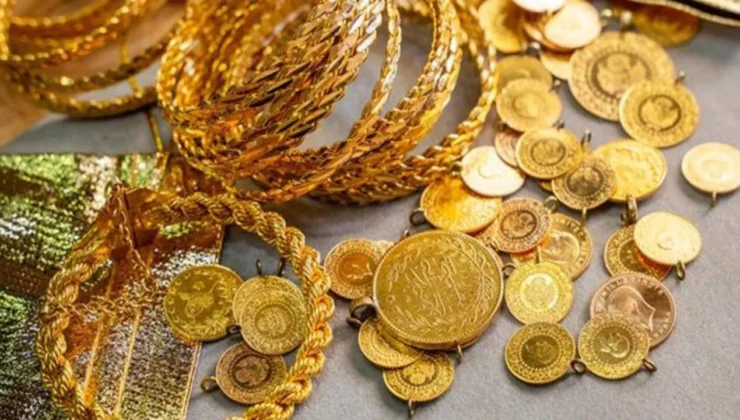 Altın, IEA’nın rekor petrol rezervi planı sonrasında yükseldi
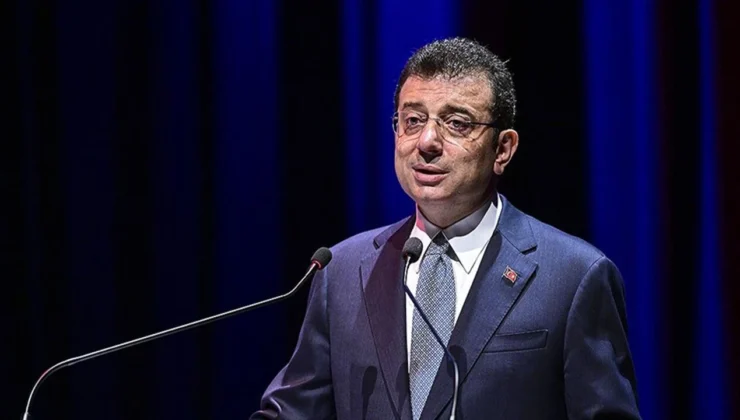 İmamoğlu’nun da yargılandığı İBB davasında ikinci gün