11 Mart 2026 itibariyle Covid-19 ile mücadelede aşılanan sayısı kişiye ulaştı.


09:56 /
Trump’tan İran’a Hürmüz uyarısı
11 Mart 2026 itibariyle Covid-19 ile mücadelede aşılanan sayısı kişiye ulaştı.



Wow, that’s wild. I first opened a Web3 wallet and felt like a kid again. It was clunky, but it promised direct control over tokens and keys. Initially I thought custodial simplicity was the future, but then my instinct said decentralization’s benefits were real, and after some experiments I changed my mind about tradeoffs. On one hand I want convenience; on the other I wanted true self-custody, which meant juggling seed phrases, hardware options, and sometimes quite confusing network choices.
Seriously? A few months later I used a multi-chain wallet that tracked chain balances. The UX still had rough edges, but it saved hours on bridging and swapped fees. My gut feeling said this was progress, though I knew deep down that security models vary and that a single compromise could expose assets across multiple networks if the wallet wasn’t properly sandboxed. So I started testing how developer tools, extension permissions, and hardware signers integrate, documenting odd behaviors and weird prompts that made me pause before approving transactions.
Whoa! Something felt off when a dApp asked for broad permissions. My instinct said deny, but curiosity pushed me to test in a sandbox. Initially I thought permissions were just UI noise, but after tracing RPC calls and seeing token approvals nested through proxies it became clear that permission models can be the weak link across chains and bridges. On top of that I noticed cross-chain swaps often route through unfamiliar smart contracts, which increased attack surface unless the wallet provided clear provenance and contract verification features.

Hmm… Okay, so check this out—wallet vendors are solving multi-chain complexity in different ways. Some prioritize UX with seamless chain detection; others emphasize granular permissions and hardware integrations. I’ll be honest: I’m biased toward wallets that blend both approaches because real users want simple flows but power users need fine-grained controls, and building that balance across Ethereum, BSC, Solana, and Layer 2s is nontrivial. When teams get chain abstractions right they hide complexity, yet when abstractions leak you get silent failed transactions, phantom token balances, and very frustrated users who blame the wallet even when the root cause is a network mismatch.
Here’s the thing. If you want Binance integration and cross-chain support, look for wallets that surface network context. The binance web3 wallet worked well when I needed Binance features without giving up key control. That said, no wallet is a silver bullet; you still must audit permission requests, use hardware signers for large sums, and be mindful of phishing clones that mimic familiar UIs to harvest seeds. On some chains I even used small test transfers first, and when teams offered transaction previews or human-readable contract descriptions I breathed easier before approving high-value swaps.
Wow. There are tradeoffs and somethin’ about UX decisions that bugs me. Wallet extensions compete with mobile apps, while bridging teams push protocols wallets must interpret. On one hand, better UX brings mainstream adoption, though actually poor abstraction leads to users approving bad contracts because they never see the underlying call data, which is a real design failure. So I now rely on layered defenses: small test transfers, hardware signatures for big amounts, third-party contract verifiers, and careful permission reviews before granting access to any dApp.
Mostly. The wallet implements standard crypto primitives and common best practices for transaction signing. However, your safety depends on operational security, the device you use, and whether you verify contract details because even a well-built wallet can’t stop a user from approving a malicious contract.
Here’s the trick. Use labels, small test transfers, and wallets that show chain context before signing.
Why firmware updates, passphrases, and offline signing matter more than you think
 1
İş dünyası 2020’ye umutla bakıyor
418210 kez okundu
1
İş dünyası 2020’ye umutla bakıyor
418210 kez okundu
 2
Sanayi Bakanı Müjdeyi verdi!
295145 kez okundu
2
Sanayi Bakanı Müjdeyi verdi!
295145 kez okundu
 3
Dış ticaret açığı, ağustosta yüzde 168 arttı
110847 kez okundu
3
Dış ticaret açığı, ağustosta yüzde 168 arttı
110847 kez okundu
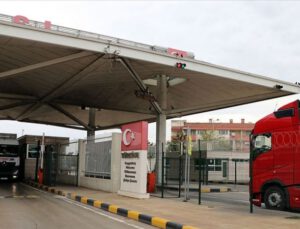 4
Gümrük alacaklarını yapılandırmaya ilişkin usul ve esaslar belli oldu
78537 kez okundu
4
Gümrük alacaklarını yapılandırmaya ilişkin usul ve esaslar belli oldu
78537 kez okundu
 5
“Ekonomi Bilim Kurulu kurulsun”
77915 kez okundu
5
“Ekonomi Bilim Kurulu kurulsun”
77915 kez okundu

Best Online Casinos in Canada: Top Casino Sites with Real Money and License
İspanya, İsrail’deki büyükelçisini geri çekme kararı aldı

Emekli bayram ikramiyesi için tarih netleşti

Ünlü tarihçi İlber Ortaylı yoğun bakıma alındı

Bursa OSB’de Seçim: Hüseyin Durmaz Yeniden Başkan

Hürmüz Boğazı’nda bulunan 15 Türk gemisi ile ilgili açıklama

Bursa’dan ihracat atağı! 3. oldu

Trump’tan İran’a Hürmüz uyarısı

Türkiye’de enerji sıkıntısı var mı?

Mersin Büyükşehir Belediyesi’ne operasyon: Gözaltılar var

Best Online Casinos in Canada: Top Casino Sites with Real Money and License
İspanya, İsrail’deki büyükelçisini geri çekme kararı aldı
Emekli bayram ikramiyesi için tarih netleşti
Ünlü tarihçi İlber Ortaylı yoğun bakıma alındı
Bursa OSB’de Seçim: Hüseyin Durmaz Yeniden Başkan
Hürmüz Boğazı’nda bulunan 15 Türk gemisi ile ilgili açıklama
Bursa’dan ihracat atağı! 3. oldu
Trump’tan İran’a Hürmüz uyarısı
Türkiye’de enerji sıkıntısı var mı?
Mersin Büyükşehir Belediyesi’ne operasyon: Gözaltılar var
bursa escort görükle eskort görükle escort bayan bursa görükle escort bursa escort bursa escort bayan


 News
News
 İspanya, İsrail’deki büyükelçisini geri çekme kararı aldı
 Emekli bayram ikramiyesi için tarih netleşti
 Ünlü tarihçi İlber Ortaylı yoğun bakıma alındı
 Bursa OSB’de Seçim: Hüseyin Durmaz Yeniden Başkan
 Hürmüz Boğazı’nda bulunan 15 Türk gemisi ile ilgili açıklama
 Bursa’dan ihracat atağı! 3. oldu
 Trump’tan İran’a Hürmüz uyarısı
 Türkiye’de enerji sıkıntısı var mı?
 Mersin Büyükşehir Belediyesi’ne operasyon: Gözaltılar var
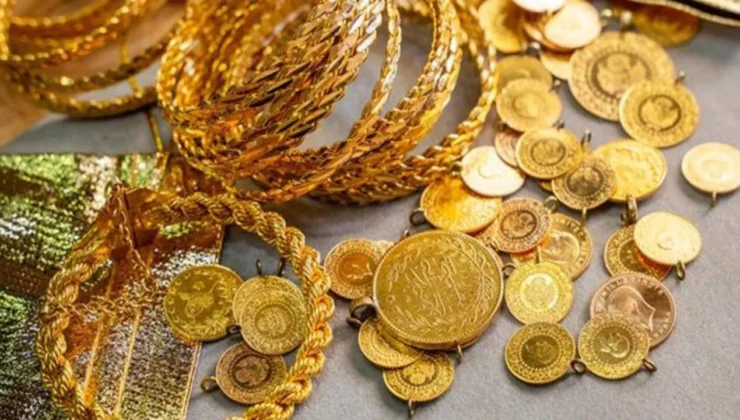 Altın, IEA’nın rekor petrol rezervi planı sonrasında yükseldi
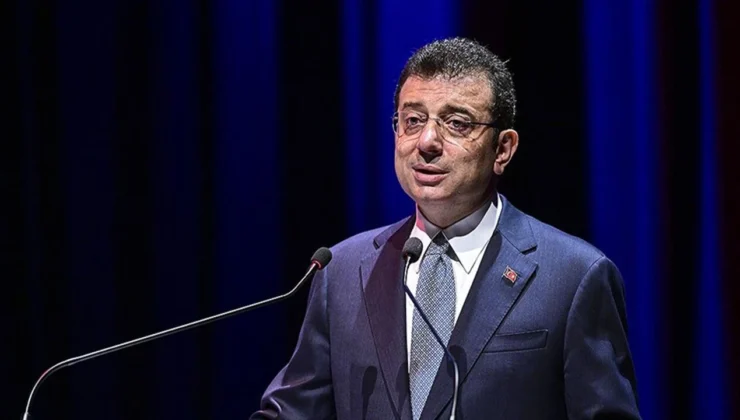 İmamoğlu’nun da yargılandığı İBB davasında ikinci gün
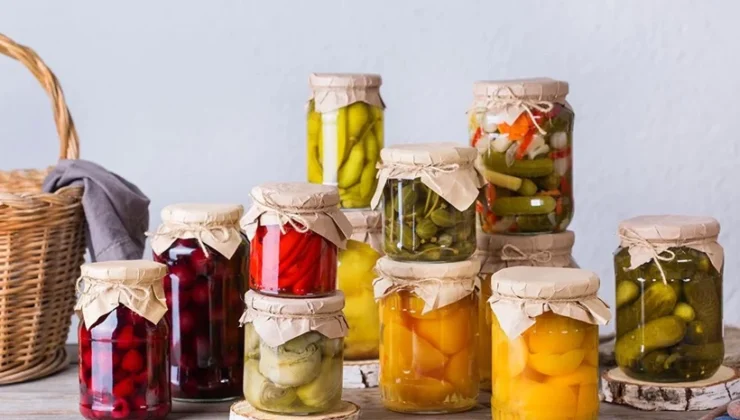 Yunanistan, Türkiye’den giden hazır turşuları almadı