11 Mart 2026 itibariyle Covid-19 ile mücadelede aşılanan sayısı kişiye ulaştı.
11 Mart 2026 itibariyle Covid-19 ile mücadelede aşılanan sayısı kişiye ulaştı.



Okay, so check this out—I’ve been noodling on wallets for years. Wow! My first impression was simple: wallets are wallets, right? Hmm… not really. The way a wallet hooks into DeFi changes how you think about custody, UX, and risk, and somethin’ about that mix keeps surprising me.
At a glance the Binance Web3 Wallet feels familiar. It has the expected send/receive flow, network switching, and token lists. Really? Yep. But here’s the thing. The subtle differences determine whether you’ll use it for casual swaps or deep yield farming. Initially I thought it was just another extension, but then I dug into permissions, signing UX, and integration depth and realized it behaves like a bridge between centralized exchange simplicity and Web3 composability.
Security is the headline concern. Short phrase: custody matters. The wallet gives you a seed phrase backup and options for hardware key support. On one hand that’s reassuring. On the other, when an extension has tight exchange integrations, governance of private keys and the attack surface can feel stretched—though actually that’s partly solvable with good habits and thoughtful setup. My instinct said, “Lock that seed up in a safe place,” and that still stands.
For day-to-day DeFi, convenience wins. The wallet streamlines connecting to DApps, approving tokens, and viewing portfolio balances. It’s surprisingly smooth to hop between a swap, a lending market, and an NFT mint (oh, and by the way… the NFT wallet view is crude but functional). Initially I liked the convenience. But then I noticed how some approvals are broad—meaning you should really audit allowance scopes before approving them. I know that’s tedious. Still, it saves you from very very annoying surprises later.

Here’s what bugs me about many wallets: they overpromise safety and underdeliver clarity. The Binance Web3 Wallet walks a middle path—user-friendly while giving power users enough control to revoke approvals and connect hardware keys. On the developer side, integrations feel thoughtfully implemented; transactions surface gas fees clearly (mostly), and they even show contract call details for those who want to inspect. That matters if you’re moving big amounts or interacting with complex smart contracts.
On the analytical side, consider this: if you route assets from an exchange to a browser wallet, you trade custodial simplicity for personal responsibility. Initially I routed funds back and forth without much thought, but then I realized the cost of mistakes—permanent on-chain losses, phishing, or malicious contracts—are non-recoverable. Actually, wait—let me rephrase that: you can mitigate most risks, but only if you build disciplined habits like using hardware wallets, checking contract addresses twice, and limiting token allowances.
Performance and UX? Smooth. Connection speed was fast, signatures signed quickly, and the extension didn’t choke on multiple networks. On slower machines, though, you may notice lag—so test before committing. I’m biased toward minimal, fast interfaces, and this one mostly meets that preference.
The network picture is important too. Support for EVM chains is broad, and the wallet manages chain switching in a predictable way. But if you’re into Solana or non-EVM ecosystems extensively, you’ll need a second wallet. On one hand that’s fine—use the best tool for the job. On the other, juggling many wallets increases cognitive overhead and attack surface.
Step one: set up with a hardware wallet if you can. Seriously? Yes. Step two: move small amounts at first. Step three: learn how to revoke token approvals. Step four: use different addresses for different activities (staking vs. trading vs. NFTs). Those steps reduce risk in practice.
When I teach friends, I emphasize two things: privacy hygiene and approval hygiene. Privacy hygiene means not using the same address for everything and being aware that chain activity is public. Approval hygiene means avoiding unlimited token approvals unless absolutely necessary, and revoking allowances periodically. These habits will save you headaches down the line—trust me.
Also, be aware of the extension ecosystem. Browser extensions can be targeted by clipboard hijacks or malicious overlays. So keep your browser updated and consider using a dedicated browser profile for DeFi activities. I’m not 100% sure that solves every problem, but it narrows the attack vectors substantially.
Integration with exchange-like features and a polished UX make onboarding less painful. For new DeFi users who are used to centralized exchanges, this wallet feels familiar while teaching Web3 norms. The portfolio overview and token management are solid starting points. Also, the wallet’s connection experience with many popular DApps is simple, which lowers friction for common tasks like swapping or staking.
And if you want to try it yourself, the wallet is accessible via binance. I’m telling you that because I used it to test basic scenarios and it was helpful for bridging from exchange holdings to DeFi positions.
That said, if you’re doing complex strategies—leveraged yield or interacting with risky contracts—you’ll want more tooling: transaction simulators, multisig options, and deeper on-chain analytics. The wallet won’t replace specialized tooling, but it can plug into a workflow that includes those tools.
Short answer: with caveats. Use hardware keys and cold storage for large sums. The wallet is robust for everyday use, but never keep your life’s savings in a browser extension alone.
Yes for many EVM-compatible chains. For non-EVM networks you’ll need other wallets. Manage addresses carefully to avoid linking all your activities publicly.
Limit approvals, simulate transactions when possible, and avoid unaudited contracts. Consider small trial transactions first—safety first, gains later.
Wrapping up—though I won’t pretend to have every answer—I feel more confident recommending the Binance Web3 Wallet to people moving from exchange-only habits into DeFi. It eases the learning curve without hiding important controls, and that balance is rare. There are imperfections, and you’ll need good habits. But for many users it’s a practical stepping stone toward more advanced Web3 activity. Hmm… that feels right.
Why some yield farms feel like gold mines — and others like landmines
 1
İş dünyası 2020’ye umutla bakıyor
418001 kez okundu
1
İş dünyası 2020’ye umutla bakıyor
418001 kez okundu
 2
Sanayi Bakanı Müjdeyi verdi!
295134 kez okundu
2
Sanayi Bakanı Müjdeyi verdi!
295134 kez okundu
 3
Dış ticaret açığı, ağustosta yüzde 168 arttı
110836 kez okundu
3
Dış ticaret açığı, ağustosta yüzde 168 arttı
110836 kez okundu
 4
Gümrük alacaklarını yapılandırmaya ilişkin usul ve esaslar belli oldu
78329 kez okundu
4
Gümrük alacaklarını yapılandırmaya ilişkin usul ve esaslar belli oldu
78329 kez okundu
 5
“Ekonomi Bilim Kurulu kurulsun”
77706 kez okundu
5
“Ekonomi Bilim Kurulu kurulsun”
77706 kez okundu

Come scegliere i migliori casino online non AAMS: guida completa
İmamoğlu’nun da yargılandığı İBB davasında ikinci gün

Yunanistan, Türkiye’den giden hazır turşuları almadı

2026’ya daralmayla başladı: Sanayi üretimi geriledi

MSB’den açıklama: Malatya’ya Patriot konuşlandırılıyor

Tekstil ve giyimde 5 bin şirket kapandı

Trump konuştu; dolar ve petrol düştü, altın yeniden yükseldi

Comment Boomerang Casino Online Attire Des Joueurs
ABD, Adana Konsolosluğu’nu tahliye etme kararı aldı

MSB: İran’dan atılan füze imha edildi

Come scegliere i migliori casino online non AAMS: guida completa
İmamoğlu’nun da yargılandığı İBB davasında ikinci gün
Yunanistan, Türkiye’den giden hazır turşuları almadı
2026’ya daralmayla başladı: Sanayi üretimi geriledi
MSB’den açıklama: Malatya’ya Patriot konuşlandırılıyor
Tekstil ve giyimde 5 bin şirket kapandı
Trump konuştu; dolar ve petrol düştü, altın yeniden yükseldi
Comment Boomerang Casino Online Attire Des Joueurs
ABD, Adana Konsolosluğu’nu tahliye etme kararı aldı
MSB: İran’dan atılan füze imha edildi
bursa escort görükle eskort görükle escort bayan bursa görükle escort bursa escort bursa escort bayan




 News
News
 Genel
Genel
 İmamoğlu’nun da yargılandığı İBB davasında ikinci gün
 Yunanistan, Türkiye’den giden hazır turşuları almadı
 2026’ya daralmayla başladı: Sanayi üretimi geriledi
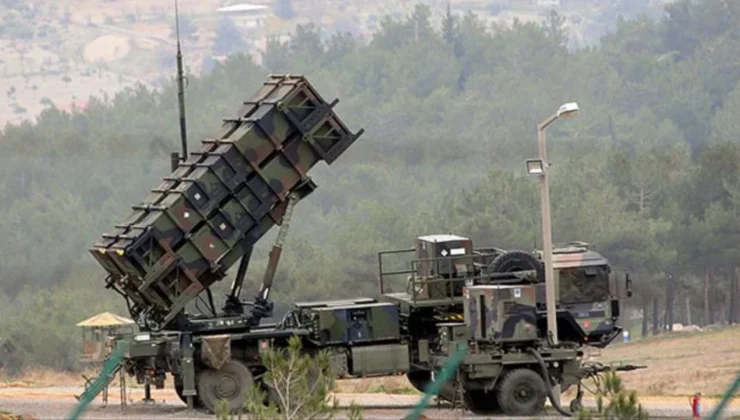 MSB’den açıklama: Malatya’ya Patriot konuşlandırılıyor
 Tekstil ve giyimde 5 bin şirket kapandı
 Trump konuştu; dolar ve petrol düştü, altın yeniden yükseldi
 ABD, Adana Konsolosluğu’nu tahliye etme kararı aldı
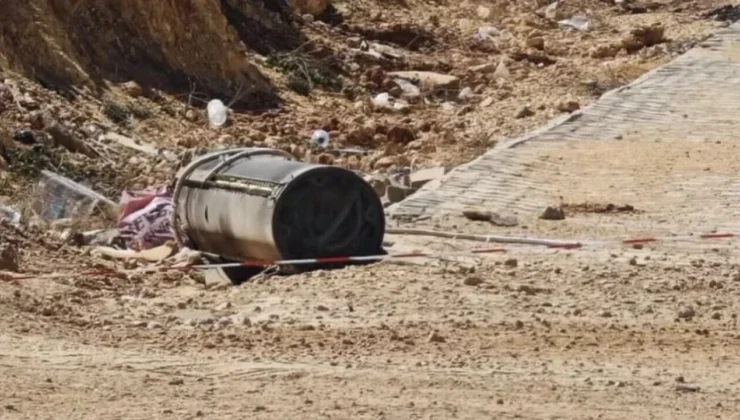 MSB: İran’dan atılan füze imha edildi
 AB’nin “Made in Europe” Düzenlemesi Türkiye İçin Fırsat Ama Riskler Sürüyor
 Ekrem İmamoğlu ilk kez hakim karşısına çıkıyor
 Denizli’de Buldan’da 5.1 büyüklüğünde deprem