02 Şubat 2026 itibariyle Covid-19 ile mücadelede aşılanan sayısı kişiye ulaştı.


09:28 /
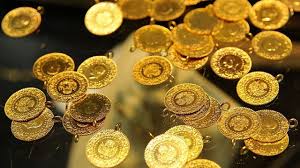
Altın fiyatlarında sert düşüş
02 Şubat 2026 itibariyle Covid-19 ile mücadelede aşılanan sayısı kişiye ulaştı.



Whoa! The shift to Proof-of-Stake changed everything for ETH holders. My first reaction was pure excitement. Then, slowly, a few worries crept in. Something felt off about how much power pooled validators could wield. Seriously? Yes—let me unpack that.
Okay, so check this out—staking used to be an abstract concept for most people. Now it’s part of everyday wallet conversations in NYC coffee shops and Slack threads from Silicon Valley. Staking pools like Lido let you earn rewards without running a validator node. That’s freeing for small holders. But there’s a trade-off: decentralization vs convenience. Initially I thought bigger pools would always be fine, but then I realized that concentration risks actually change security assumptions for the network.
Here’s the thing. Governance tokens act like voting shares. They give holders influence over protocol parameters and treasury decisions. Holders can suggest upgrades, fund grants, or even change fee structures when they have enough votes. On one hand, that community governance can be an engine for rapid innovation. On the other hand—though actually—centralized voting blocs can push decisions that favor insiders.
My instinct said: trust decentralized systems. But slow, careful thinking says: check the numbers. Who controls how many votes? How many validators are tied to a single custodian? What safeguards exist to prevent cartels? These are not hypothetical. They matter in practical terms. For example, if a handful of staking pools control major fractions of staked ETH, then economic censorship or coordinated downtime becomes a surface-level risk.

Really? Yes—it’s a subtle relationship. Staking pools pool capital, they operate validators, and then they issue derivative tokens or share governance rights back to depositors. That derivative often represents staked ETH plus accrued rewards, minus fees. Many users treat those derivatives like liquid staked assets to keep using DeFi composability. That creates a second-order dependency: DeFi protocols lean on the liquidity provided by liquid staked tokens.
Initially I thought liquid staking just made yield accessible. Actually, wait—let me rephrase that: liquid staking supercharged DeFi by turning locked staking rewards into tradable assets. But that also means governance decisions at the staking provider ripple through many protocols. If a major staking pool votes to support a controversial fork, the effect isn’t limited to a ledger line item—it cascades through lending markets and automated market makers that hold that liquid stake.
Hmm… on one hand it’s practical and useful. On the other, concentration can create single points of failure. I’m biased toward decentralization, so this part bugs me. Still, I appreciate the convenience when I’m busy—running my own validator is time-consuming and sometimes maddening. (oh, and by the way… I once spent an afternoon troubleshooting a validator node only to realize my ISP was the culprit.)
Systematically, here’s how the mechanics look: stakeholders deposit ETH, validators are created, rewards accrue, and governance tokens—if issued—carry voting power or economic claims. The exact architecture differs by provider. Some distribute governance tokens to reward early contributors. Others keep tokens concentrated among operators or investors. The difference matters a lot.
Check this out—Lido is one of the largest liquid staking providers in the Ethereum ecosystem. Many people use it because it balances uptime, validator diversity, and usability. If you want to read their official docs or dive deeper into their model, visit the lido official site. I’m not endorsing any specific action, but it’s a useful reference for people trying to understand staking mechanics and risks.
On governance specifically, Lido’s token distribution and its DAO structure are the key levers. Votes can influence fee splits, node operator selection, and treasury usage. That means token holders and node operators both matter. If you care about where your protocol fees go, governance tokens are where the conversation happens—literally.
Something I learned the hard way: voting turnout is often low. A few motivated parties can sway outcomes. When governance is poorly participated, the loudest wallets win. That makes developer engagement, voter education, and delegation choices very very important.
Short list—because nobody wants a wall of doom. Single-pool dominance. Collusion among node operators. Smart contract bugs in liquid staking derivatives. Fee model misalignments that favor operators over depositors. Regulatory pressure that forces custodians to act in non-network-friendly ways. Each is a plausible problem, and together they can amplify risk.
Let’s be practical. If you hold ETH and you stake through a pool, ask: how decentralized is the operator set? What’s the slashing model? What are the emergency governance powers? Also, questions about liquidity matter: where can you trade your liquid staked token, and how correlated is it with spot ETH during market stress? I don’t have all the answers—I’m not 100% sure on edge cases—but these are the right questions.
One mitigation pattern I like is diversification. Don’t put all staked ETH behind one operator. Spread across providers that emphasize independent node operators and transparent governance. Also, keep an eye on governance participation. Delegate thoughtfully. And remember that being nimble in DeFi is great until composability makes your positions interdependent in surprising ways.
Power without participation is a weird thing. Many governance tokens are assumed to be passive. In reality they’re active levers. If you hold governance tokens, you inherit responsibility. Voting badly can slash protocol revenue or create technical debt. Voting well requires time, research, often coordination. That seems obvious but, honestly, it’s underappreciated.
One hand: governance tokens allow community-driven improvements—protocol upgrades, bug bounties, and grant funding. Though actually—if governance is captured, community funds could be misallocated. So the quality of governance processes (on-chain proposal clarity, dispute resolution, quorum thresholds) is as important as token distribution.
My takeaway? Treat governance tokens like public office. If you own them, participate. If you don’t own them, watch who does. And if you delegate, delegate to someone accountable. Delegation shouldn’t be abdication. I’m biased, but I’ve seen delegations vanish into inactive multisigs and that’s frustrating.
A: Generally, yes—relative to running a validator alone—but safety depends on the provider’s transparency, validator decentralization, and contract audits. No guarantees apply. I’m not giving financial advice. Do your own research, and consider spreading risk across providers if you care about decentralization.
A: They can. But token distribution, voter turnout, and off-chain coordination determine real-world decentralization. If tokens cluster in few hands, governance is de facto centralized even if the software is open.
A: Treat them like any other asset with counterparty and smart contract risk. They add liquidity but create dependency chains. Monitor peg behavior during stress periods and understand how redemption or unstaking works for that specific token.
I’ll be honest—this is messy. But it’s also fascinating. The trade-offs between security, decentralization, and usability mirror broader technology debates. Sometimes my gut says decentralize aggressively. Other times, my head says prioritize user experience to onboard more people to ETH. On balance, incremental improvements with guardrails feel right. Still, I’m not 100% sure of where the balance lands long-term.
Final thought: governance tokens and staking pools are tools. They can empower communities or concentrate power. Watch who votes, watch who builds, and stay curious. There’s a lot to learn, and somethin’ tells me we’re just getting started…

Kahve tüketimi neden bu kadar arttı?
 1
İş dünyası 2020’ye umutla bakıyor
406231 kez okundu
1
İş dünyası 2020’ye umutla bakıyor
406231 kez okundu
 2
Sanayi Bakanı Müjdeyi verdi!
294500 kez okundu
2
Sanayi Bakanı Müjdeyi verdi!
294500 kez okundu
 3
Dış ticaret açığı, ağustosta yüzde 168 arttı
110175 kez okundu
3
Dış ticaret açığı, ağustosta yüzde 168 arttı
110175 kez okundu
 4
Gümrük alacaklarını yapılandırmaya ilişkin usul ve esaslar belli oldu
66505 kez okundu
4
Gümrük alacaklarını yapılandırmaya ilişkin usul ve esaslar belli oldu
66505 kez okundu
 5
“Ekonomi Bilim Kurulu kurulsun”
65950 kez okundu
5
“Ekonomi Bilim Kurulu kurulsun”
65950 kez okundu

Hazine’den dolandırıcılık paylaşımlarına uyarı!

Trump, Fed başkanlığı için adayını resmen açıkladı

What Makes Modern Online Casinos So Popular
What Makes Modern Online Casinos So Popular
Bursa, 17 OSB ile ‘Türkiye’nin sanayi şampiyonu”

Kar sağanağı Bursa’yı da vuracak!

2025 yılı dış ticaret açığı belli oldu

Balıkesir’de deprem meydana geldi

Nipah virüsü Türkiye’ye gelir mi?

Altın fiyatlarında sert düşüş

Hazine’den dolandırıcılık paylaşımlarına uyarı!
Trump, Fed başkanlığı için adayını resmen açıkladı
What Makes Modern Online Casinos So Popular
What Makes Modern Online Casinos So Popular
Bursa, 17 OSB ile ‘Türkiye’nin sanayi şampiyonu”
Kar sağanağı Bursa’yı da vuracak!
2025 yılı dış ticaret açığı belli oldu
Balıkesir’de deprem meydana geldi
Nipah virüsü Türkiye’ye gelir mi?
Altın fiyatlarında sert düşüş
bursa escort görükle eskort görükle escort bayan bursa görükle escort bursa escort bursa escort bayan


 News
News
 Genel
Genel
 Hazine’den dolandırıcılık paylaşımlarına uyarı!
 Trump, Fed başkanlığı için adayını resmen açıkladı
 Bursa, 17 OSB ile ‘Türkiye’nin sanayi şampiyonu”
 Kar sağanağı Bursa’yı da vuracak!
 2025 yılı dış ticaret açığı belli oldu
 Balıkesir’de deprem meydana geldi
 Nipah virüsü Türkiye’ye gelir mi?
 Altın fiyatlarında sert düşüş
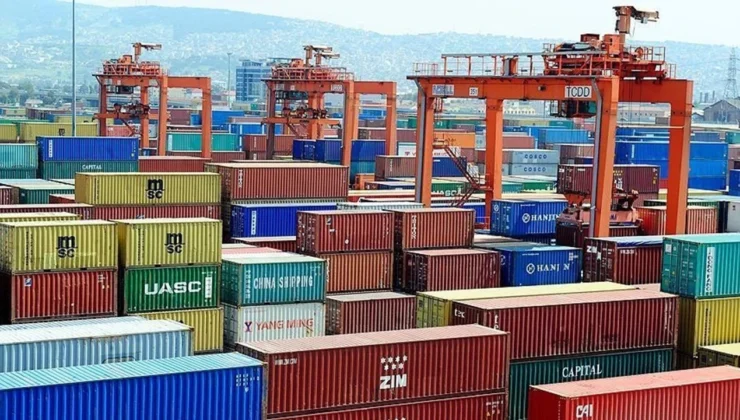 DİR’de KDV Tecil-Terkin Uygulaması 5 Yıl Uzatıldı
 15 yaş altına sosyal medya yasağı geliyor
 Doğalgaz ve elektriğe zam gelecek mi?
 Altın fiyatlarında rekor üzerine rekor
 Sanayide Gümrük Birliği alarmı kırmızıya döndü