02 Şubat 2026 itibariyle Covid-19 ile mücadelede aşılanan sayısı kişiye ulaştı.


09:28 /
Altın fiyatlarında sert düşüş
02 Şubat 2026 itibariyle Covid-19 ile mücadelede aşılanan sayısı kişiye ulaştı.



Okay, so picture this: a DAO with a pile of funds and a stack of excited contributors, but the keys are scattered, approvals are messy, and one bad transaction could blow up months of work. Wow. That first impression—chaotic, fragile—stuck with me. My instinct said the problem wasn’t just tech; it was governance ergonomics meeting financial risk. Initially I thought a single multisig would solve everything, but then I realized the landscape had shifted; smart contract wallets and modular “safe apps” change the tradeoffs in ways that matter for real treasuries.
DAOs are different animals. They’re not just companies with fancy spreadsheets. Decisions are social processes enforced by code. That means treasury controls must be transparent, auditable, and flexible enough to evolve as the DAO grows. On one hand you want bulletproof security; on the other hand you want operational speed so the org can move. Though actually—wait—those goals often conflict, and there’s rarely a one-size-fits-all fix.
Here’s what bugs me about the typical approach: people treat a vault like a lockbox and then wonder why it slows everything to a crawl. I’m biased, but treasuries need workflows—authorization flows, delegation patterns, emergency brakes—not just rigid multisigs. There’s a middle ground: smart contract wallets, especially those with an ecosystem of apps, give you programmable policies without sacrificing on-chain safety. Hmm… somethin’ like that is where modern DAOs start to win.
 (1).webp)
Multisig wallets (the old-school hardware-key approach) are straightforward: a set of keys, a threshold, sign the transaction, done. They’re simple and robust. But they can be clunky for complex workflows—recurrent payments, timelocks, or delegated approvals. Smart contract wallets add programmable rules: session keys, gas abstraction, modules for payment batching, and role-based permissions. That means you can automate payroll, integrate a treasury dashboard, and still require multi-party approval for bigger moves.
One concrete pattern I use with DAOs: keep a conservative on-chain treasury guarded by a high-threshold multisig/smart-wallet combo for large disbursements, and a smaller operational budget in a lower-threshold smart wallet for day-to-day ops. It reduces friction while limiting exposure. Seriously, this layering helps—like having both a safe and petty cash.
Check this out—if you want a practical starting point, the safe wallet ecosystem (Gnosis Safe and related safe apps) offers a mature set of modules and integrations tailored to DAO treasuries. Their app store model lets teams pick exactly the tools they need: multisend batching, spending limits, transaction whitelists, and governance bridges. That modularity is powerful because it keeps the core wallet audited and small while letting additional features be added as apps.
At the protocol level, there are a few capabilities I prioritize: upgradability guardrails, clear signer role separation, and audit-friendly logs. Make the rules explicit. If spending thresholds, timelocks, or emergency pause features exist, document them in the DAO’s charter and in the transaction metadata. That seems obvious, but in practice it’s very very important—people skip it and then blame the wallet when confusion arises later.
Operational best practices? A short checklist that has saved me: 1) Use staged deployments and small test transfers, 2) Keep an off-chain ledger that maps signatures to actions, 3) Rotate operational keys periodically, and 4) rehearse recovery plans. Rehearsal is underrated. We practiced a recovery once and found a UX bug that would’ve blocked an emergency withdrawal—caught before it mattered. On one hand it felt like overkill; on the other, I’m glad we did it.
Another practical tip—integrate on-chain approvals with off-chain coordination. Use chat tools, PRs, or governance forums to anchor every large transaction. The safe apps ecosystem often lets you attach contextual data to the tx; use it. It helps auditors and future contributors trace why a payment happened without digging through Slack history.
One thorny area is key recovery. Hardware keys are secure but brittle; social recovery schemes are flexible but introduce social attack surfaces. For DAOs, consider custody diversification—mix hardware, social recovery, and timelocked multisigs. That provides multiple recovery vectors without putting all your eggs in one basket. I’m not 100% sure there’s a perfect recipe—every DAO will tune this differently—but layered redundancy works well.
Okay, quick patterns that I’ve seen work in practice:
These patterns map to real tradeoffs: speed vs security, centralization vs usability. I prefer to keep policy explicit so the tradeoffs are transparent to contributors. That avoids the “we did what we thought was safest” defense when things go sideways.
A smart contract wallet runs authorization logic on-chain, so you can add rules like time-delays, role-based access, or gas abstraction. A multisig is simpler—signatures control finality. Think of a smart wallet as a small programmable vault that can host apps; a multisig is a hardware-style lockbox. Both can be secure; choice depends on required features and attacker model.
Multiple wallets with purpose-built roles usually work better. One big vault concentrates risk and slows down ops. Splitting funds into operating and long-term reserves, with separate controls, balances flexibility and safety.
Alright—closing thought. DAOs that treat treasury design as a living process instead of a one-time checkbox are the ones that survive turbulence. You’ll iterate; you’ll make mistakes. I’m biased, but start with conservative defaults and add tooling as the org matures. Practice your recovery playbooks, keep transparent records, and use modular smart wallets and safe apps where it helps. The technology isn’t magic, but used correctly it makes governance operationally sane. Someday we’ll look back and wonder how we used to manage treasuries without this layer—until then, keep testing and keep the receipts.

Proses Besin Nedir?
 1
İş dünyası 2020’ye umutla bakıyor
406171 kez okundu
1
İş dünyası 2020’ye umutla bakıyor
406171 kez okundu
 2
Sanayi Bakanı Müjdeyi verdi!
294496 kez okundu
2
Sanayi Bakanı Müjdeyi verdi!
294496 kez okundu
 3
Dış ticaret açığı, ağustosta yüzde 168 arttı
110171 kez okundu
3
Dış ticaret açığı, ağustosta yüzde 168 arttı
110171 kez okundu
 4
Gümrük alacaklarını yapılandırmaya ilişkin usul ve esaslar belli oldu
66445 kez okundu
4
Gümrük alacaklarını yapılandırmaya ilişkin usul ve esaslar belli oldu
66445 kez okundu
 5
“Ekonomi Bilim Kurulu kurulsun”
65890 kez okundu
5
“Ekonomi Bilim Kurulu kurulsun”
65890 kez okundu

Hazine’den dolandırıcılık paylaşımlarına uyarı!

Trump, Fed başkanlığı için adayını resmen açıkladı

What Makes Modern Online Casinos So Popular
What Makes Modern Online Casinos So Popular
Bursa, 17 OSB ile ‘Türkiye’nin sanayi şampiyonu”

Kar sağanağı Bursa’yı da vuracak!

2025 yılı dış ticaret açığı belli oldu

Balıkesir’de deprem meydana geldi

Nipah virüsü Türkiye’ye gelir mi?

Altın fiyatlarında sert düşüş

Hazine’den dolandırıcılık paylaşımlarına uyarı!
Trump, Fed başkanlığı için adayını resmen açıkladı
What Makes Modern Online Casinos So Popular
What Makes Modern Online Casinos So Popular
Bursa, 17 OSB ile ‘Türkiye’nin sanayi şampiyonu”
Kar sağanağı Bursa’yı da vuracak!
2025 yılı dış ticaret açığı belli oldu
Balıkesir’de deprem meydana geldi
Nipah virüsü Türkiye’ye gelir mi?
Altın fiyatlarında sert düşüş
bursa escort görükle eskort görükle escort bayan bursa görükle escort bursa escort bursa escort bayan


 News
News
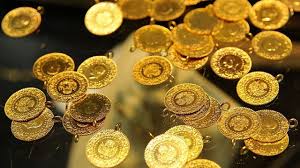 Genel
Genel
 Hazine’den dolandırıcılık paylaşımlarına uyarı!
 Trump, Fed başkanlığı için adayını resmen açıkladı
 Bursa, 17 OSB ile ‘Türkiye’nin sanayi şampiyonu”
 Kar sağanağı Bursa’yı da vuracak!
 2025 yılı dış ticaret açığı belli oldu
 Balıkesir’de deprem meydana geldi
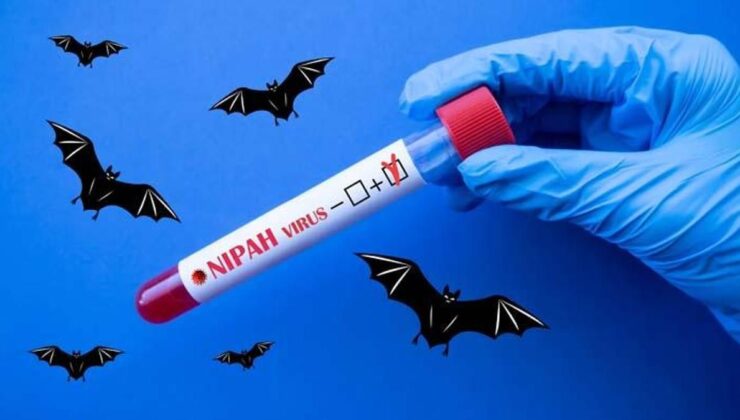 Nipah virüsü Türkiye’ye gelir mi?
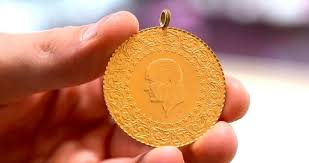 Altın fiyatlarında sert düşüş
 DİR’de KDV Tecil-Terkin Uygulaması 5 Yıl Uzatıldı
 15 yaş altına sosyal medya yasağı geliyor
 Doğalgaz ve elektriğe zam gelecek mi?
 Altın fiyatlarında rekor üzerine rekor
 Sanayide Gümrük Birliği alarmı kırmızıya döndü