Okay, so check this out—I’ve been in Cosmos for years now, playing with validators, juggling IBC transfers, and yes, messin’ with fees until something felt right. Really. The ecosystem’s evolved fast. Whoa! At first glance it looks simple: pick a validator, stake your ATOM (or Osmosis, Juno, whatever), and let compounding do its job. But hold up—my instinct said that reward rate alone lies. Initially I thought the highest APR was the obvious choice, but then realized commission, uptime history, and governance behavior change everything.
Here’s what bugs me about most beginner advice: it focuses on yield as a number and ignores attack surface and long-term resiliency. Hmm… Delegation isn’t just yield hunting. It’s network security. On one hand you want steady returns, though actually if your validator misbehaves you can lose rewards, and the chain’s health suffers too. So you need a checklist. I’ll be blunt—there’s no one-size-fits-all, but there are repeatable signals that separate solid validators from the sketchy ones.
First, uptime and signing history. Short answer: check it. Seriously? Yes. An offline validator equals missed blocks and slashed opportunities. But also—longer thought—consistent uptime across network upgrades and stress events tells you about their ops maturity and monitoring practices, which matters more than a slightly higher APR. Operators who handle chain upgrades smoothly are usually the teams you’d trust in a crisis. Wow!

Validator Selection: A Practical Checklist
Start broad. Compare validators on several axes: uptime, commission, voting behavior, delegation caps, infra transparency, and whether the operator publishes key management practices. Hmm… Don’t skim their docs. Read them. My instinct flags poor documentation fast. Here’s a practical order to prioritize:
1) Uptime and double-sign history. Look for near-100% uptime and zero double-signs. Short term washes out. Long term matters.
2) Commission, but not alone. A low commission sounds great. But very very low commission sometimes hides under-resourced ops. You want fair fees that support professional infrastructure.
3) Voting and governance participation. Validators who ghost governance hurts protocol health. I don’t want to lean on validators who ignore proposals.
4) Sovereign keys and multi-sig. Prefer operators who use multi-sig and hardware security modules. Transparency on key rotation is a plus.
5) Social footprint. Active devs and clear contact channels mean faster issue response. If they vanish on Twitter or Discord during incidents, move on.
Oh, and watch for self-delegation amounts. Too much self-bond can be a sign the operator eats their own dogfood, which is good. Too little and you wonder why they’d trust someone else more than their own skin in the game. I’m biased, but I favor validators who have skin—the right kind—not just marketing slogans.
Transaction Fees Optimization for IBC Transfers
IBC is elegant and fragile. The UX for transferring tokens across zones can be smooth, but fees stack in surprising ways. Hmm… First, choose the right relayer path and the right token to pay fees. For example, some chains let you pay fees in the native token while others require gas in the receiving chain. That mismatch can spike costs if you’re not careful.
Tip: batch transfers when possible. Small transfers incur relatively high fixed fees. If you’re moving many small amounts, combine them off-chain, then send larger, consolidated transfers. It saves fees over time. Wow! Also monitor mempool congestion. During high activity, fee estimation rises. Use wallets and tools that let you manually set gas prices when needed. Kept that subtle? I use keplr wallet for day-to-day IBC flows because it surfaces fee choices and network nuances without being clunky.
Another angle: some chains support fee tokens or have gas rebates for certain transactions. Research the destination chain’s gas model. If you routinely bridge the same pair, test a few transfers at off-peak times to measure effective costs and latency. You’ll learn patterns fast.
Delegation Strategies that Scale
Short-term staking vs. long-term stake. They feel different. Short-term: chase a promo or ARP spike. Long-term: secure the network and compound. I’m not saying don’t rebalance, but keep a mental allocation strategy. For example, 60% to trusted, low-risk validators; 30% to growth-oriented ones; 10% experimental. That mix depends on risk appetite, of course.
Rotate slowly. Churn causes downtime and unclaimed rewards. If you move delegations too often you also mask the signal of a validator’s reliability. On one hand dynamic reallocation can capture yield, but on the other hand unstable delegations make you vulnerable during slashing events. Initially I over-rotated; later I learned to rebalance quarterly unless a validator clearly misbehaves.
Use delegation caps strategically. Some chains apply max-delegation to prevent centralization. If a promising validator nears cap, consider adding another similar operator rather than piling onto the incumbent—diversify. And watch commission changes. Validators sometimes lower fees to attract stake then raise them later. Check the operator’s history before trusting a sudden promo. I’m not 100% sure about every team tactic, but history speaks.
Auto-compounding vs manual. Some wallets and services auto-compound rewards for you. That convenience reduces gas overhead, and over multi-year periods compounding matters. But auto-compound services introduce counterparty and custody considerations. Personally, I prefer self-custody with occasional manual compounding unless the service is proven and transparent. (oh, and by the way… keep small test runs when trying a new compounding service.)
Operational Red Flags and What To Do
Here are some warning signs that made me unstake in the past: sudden commission hikes, unexplained downtime, failure to respond during a fork, or governance choices that obviously conflict with the chain’s community. Those are non-trivial. Hmm… If you see those, prepare an exit plan—unstake, but note unbonding periods.
Pro tip: maintain a small buffer of liquid tokens to cover gas for redelegation or emergency moves. If everything goes sideways you’ll want gas to rebalance or move funds quickly. Also keep an eye on slashing policies per chain; they’re not uniform. Know the penalties before you react.
FAQ
How often should I re-evaluate my validators?
Quarterly is a good cadence for most folks. But check after major upgrades, or if you notice sudden behavioral changes. My rule: review on upgrades and if APR swings more than a few percentage points.
What’s the best way to minimize IBC fees?
Batch transfers, pick times with low congestion, use fee token options where available, and test small transfers to find the cheapest routes. Also consider relayer choices if you run one or use services that aggregate cheaper paths.
Should I delegate to a single top validator?
No. Even if it’s tempting for yield. Spread your stake across several reputable validators to reduce counterparty risk and strengthen decentralization. Two or three main validators plus a few smaller ones usually balances safety and yield.







 News
News
 Genel
Genel
 Genel
Genel
 Genel
Genel
 Genel
Genel
 Genel
Genel
 Genel
Genel
















 Green Card programı süresiz olarak durduruldu
 İlaç fiyatları artırıldı
 Emniyet Genel Müdürlüğü’nün adı değişiyor
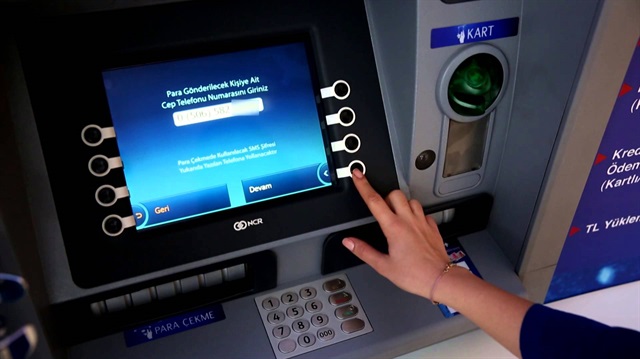 ATM’den para çekmede yeni dönem
 26 şirkete “mali müşavir” operasyonu
 Yeni harçlar belli oldu
 Tokat Belediye Başkanı’nın makam odasında dinleme cihazı bulundu
 Akaryakıtta indirim yağmuru
 Bursalılar “zemheri” geldi
 Altından daha değerli; Kod adı: ALTIN S1
 Gümrük işlemlerine yönelik ceza tutarı arttırıldı
 Bursa’da okullara “yeni yıl” yasağı
 Mehmet Akif Ersoy’un uyuşturucu testi pozitif
 Vergi yüzsüzleri açıklandı
 MSB: Karadeniz’de insansız hava aracı düşürüldü