22 Şubat 2026 itibariyle Covid-19 ile mücadelede aşılanan sayısı kişiye ulaştı.


17:29 /
Ramazan ayı başlıyor
22 Şubat 2026 itibariyle Covid-19 ile mücadelede aşılanan sayısı kişiye ulaştı.



Whoa!
Okay, so check this out—I’ve been in the DeFi trenches for years and I still get surprised. My instinct said the usual stories: mobile-first is king, extensions are relics. Initially I thought extensions felt clunky, but then I watched my workflow tighten and realized convenience does not equal compromise. The longer truth is nuanced, and if you care about daily DeFi work you’ll see why tradeoffs matter and which ones are manageable.
Seriously?
Yes, really—extensions like the ones I use sit in your browser and speed up interactions in ways mobile UIs don’t. They’re less about flashy UX and more about composability with web apps, which is huge on Ethereum and L2s. On one hand you lose some portability, though actually on the other hand you gain session control and clearer approvals when dealing with complex smart contracts. My gut feeling about security changed after I started separating accounts for trading, staking, and small dApp experiments.
Hmm…
Here’s the thing. I installed a new extension recently and somethin’ in the onboarding just clicked. I was able to pin accounts, set up hardware forwarding, and connect to a Layer-2 in minutes. The experience removed friction that used to make me open my phone and then forget what I was doing (annoying, and very very inefficient). Over time, that minor friction compounded into tangible losses—missed cheap gas windows, delayed limit orders, and the like.
Wow!
On a technical level, modern browser wallets isolate permissions and separate signing from account management. That matters because you can limit approvals per site and revoke them without digging through cryptic mobile menus. Actually, wait—let me rephrase that: revoking permissions is easier when you can visually audit every origin’s approvals in one place, which is a big deal. And yes, extensions can integrate with hardware wallets so your seed never touches the browser in plaintext, though setup needs care.
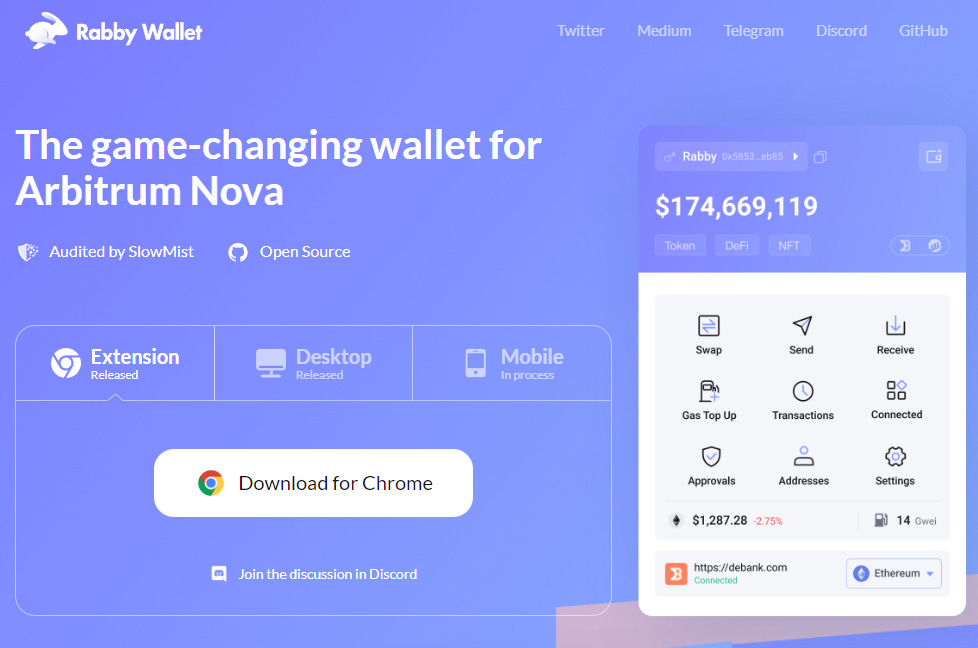
I recommended the rabby wallet link to my crypto-curious buddy last month, and he came back impressed. He liked the transaction previews and the way it groups approvals by site, which feels less overwhelming to people new to DeFi. On the surface that seems small, but it reduces phishing risk because users can more easily spot sketchy requests. Initially I thought UI niceties wouldn’t change behavior, but they actually do—humans favor clarity, and clear safety cues reduce mistakes.
Really?
Yeah—clear cues are underrated. Rabby and similar extensions offer explicit gas controls and bundle fee suggestions for L2s, which saves money and time. On another note, I will be honest: the wallet isn’t perfect and some of the more advanced features felt buried at first. Still, for a browser extension it balances power and simplicity well, and that tradeoff suits most active DeFi users in the US market.
Whoa!
Security habits matter way more than the brand of wallet. Use hardware signing for large balances and don’t reuse addresses for risky experiments. My workflow is: small hot-account in the extension for day trades, large cold account in hardware, and a separate burner account for airdrop hunting (yep, I do that). This layered approach reduces blast radius—if one key gets phished you limit the damage.
Hmm…
On the operational side, the extension model speeds up arbitrage-style moves and DeFi composability because you can chain approvals and handle multiple dApp windows simultaneously. That advantage is not theoretical—I’ve executed multi-step liquidity moves faster via extension than by toggling apps on my phone. There’s a learning curve, though—read every transaction line, especially for smart wallets or account abstractions.
Wow!
People often ask about privacy. Using an extension doesn’t mask your on-chain footprint; however, it can help by letting you spin new addresses quickly and manage RPC endpoints easily. I sometimes switch to a VPN when I do sensitive operations (old habit from before Web3 privacy tools matured), and yes, that might be overcautious for most folks. Still, controlling your network and endpoint is another small layer of defense that many users ignore.
Really?
Absolutely—small steps add up. Set transaction limits, use session-only approvals, and clear connected sites regularly. If you plan to interact with experimental contracts, create a designated “sandbox” account that holds only what you’re willing to lose. I’m biased toward that practice because I once lost a small but teachable amount by being lazy about approvals—lesson learned, burned but wiser.
Whoa!
One thing bugs me: people chase the newest shiny wallet without fixing basics; backups, passphrase safety, and hardware keys are often neglected. I’m not 100% sure why the rush exists—maybe FOMO, maybe UX allure—but it leads to preventable incidents. If somethin’ looks too complicated, step back and test on small amounts first; your instincts will tell you when somethin’ smells phishy.
It can be, provided you use good practices: hardware signing for large funds, separate hot/cold accounts, and careful approval audits before confirming transactions.
Yes—most modern extensions (including the one I mention earlier) support hardware integration, which keeps your seed offline while letting you sign in the browser when needed.
Why DAOs Should Treat Their Treasury Like a Mission-Critical System
 1
İş dünyası 2020’ye umutla bakıyor
412721 kez okundu
1
İş dünyası 2020’ye umutla bakıyor
412721 kez okundu
 2
Sanayi Bakanı Müjdeyi verdi!
294862 kez okundu
2
Sanayi Bakanı Müjdeyi verdi!
294862 kez okundu
 3
Dış ticaret açığı, ağustosta yüzde 168 arttı
110553 kez okundu
3
Dış ticaret açığı, ağustosta yüzde 168 arttı
110553 kez okundu
 4
Gümrük alacaklarını yapılandırmaya ilişkin usul ve esaslar belli oldu
73046 kez okundu
4
Gümrük alacaklarını yapılandırmaya ilişkin usul ve esaslar belli oldu
73046 kez okundu
 5
“Ekonomi Bilim Kurulu kurulsun”
72420 kez okundu
5
“Ekonomi Bilim Kurulu kurulsun”
72420 kez okundu

KVKK’dan, sosyal medya platformlarına inceleme

Gazeteci Alican Uludağ tutuklandı

Kadına dayak “kemik kırılmadığı sürece” serbest bırakıldı

Kapasite kullanımı şubatta gerilemeye devam etti

Eski İngiltere Prensi Andrew gözaltına alındı

Bir mobilya piyasadan toplatılıyor

Tüketici güveni 11 ayın en yükseğinde

Ünlülere yönelik uyuşturucu operasyonu: 21 kişi adliye sevk edildi

Ücretsiz HPV aşısı Bilim Kurulu’na takıldı

Ramazan ayı başlıyor

KVKK’dan, sosyal medya platformlarına inceleme
Gazeteci Alican Uludağ tutuklandı
Kadına dayak “kemik kırılmadığı sürece” serbest bırakıldı
Kapasite kullanımı şubatta gerilemeye devam etti
Eski İngiltere Prensi Andrew gözaltına alındı
Bir mobilya piyasadan toplatılıyor
Tüketici güveni 11 ayın en yükseğinde
Ünlülere yönelik uyuşturucu operasyonu: 21 kişi adliye sevk edildi
Ücretsiz HPV aşısı Bilim Kurulu’na takıldı
Ramazan ayı başlıyor
bursa escort görükle eskort görükle escort bayan bursa görükle escort bursa escort bursa escort bayan


 News
News
 Genel
Genel
 Genel
Genel
 Genel
Genel
 KVKK’dan, sosyal medya platformlarına inceleme
 Gazeteci Alican Uludağ tutuklandı
 Kadına dayak “kemik kırılmadığı sürece” serbest bırakıldı
 Kapasite kullanımı şubatta gerilemeye devam etti
 Eski İngiltere Prensi Andrew gözaltına alındı
 Bir mobilya piyasadan toplatılıyor
 Tüketici güveni 11 ayın en yükseğinde
 Ünlülere yönelik uyuşturucu operasyonu: 21 kişi adliye sevk edildi
 Ücretsiz HPV aşısı Bilim Kurulu’na takıldı
 Ramazan ayı başlıyor
 İşsizlik oranı dördüncü çeyrekte geriledi
 Altın ve gümüş kayıplarını telafi ediyor
 Ticaret Bakanlığı’ndan yasa dışı bahis ve bıçak kararı
 Marmara’da deniz ulaşımına fırtına engeli
 Galatasaray, dünyanın gündemine oturdu.