20 Şubat 2026 itibariyle Covid-19 ile mücadelede aşılanan sayısı kişiye ulaştı.

17:29 /
Ramazan ayı başlıyor
20 Şubat 2026 itibariyle Covid-19 ile mücadelede aşılanan sayısı kişiye ulaştı.


Whoa! The mobile wallet space is noisy these days. I remember installing a dozen apps on my phone last year, trying to find somethin’ that felt slick and safe at the same time. At first glance everything looked the same — shiny icons, promises of “security” — but my instinct said to pause. Initially I thought bigger networks meant better security, but then realized the UX and backup flows decide whether you lose access to funds more often than any blockchain ever will.
Seriously? You bet. Most people buy crypto on their desktop and then forget the mobile step until it’s time to move coins. My first impression was confusion, then annoyance, then a small win when I discovered a few wallets that actually made sense for everyday use. On one hand you want raw multi-chain compatibility; on the other hand you need clarity — a simple seed phrase flow, easy token discovery, and sane permissions. I’ll be honest: some parts of this ecosystem bug me, like apps that hide fees or shove sketchy dApps at you; that part’s shady and unnecessary.
Whoa! Mobile first matters. A lot of crypto activity happens on phones now — trading, staking, NFTs — and clumsy mobile design turns that into a headache. Most wallets that claim “multi-chain” either do it halfheartedly or make the UI so complex you avoid useful features. My instinct said I’d prefer a single dependable app rather than a dozen chain-specific wallets. Actually, wait—let me rephrase that: I prefer a reliable, composable wallet that handles many chains without confusing me or leaking my private keys.
Hmm… Security is where folks trip up. Shortcuts like storing keys in insecure backups or reusing passwords are common. You can have multi-chain access, but if your recovery flow is bad, you’re toast. On the bright side, modern mobile wallets have matured a lot with hardware integration and secure enclaves on phones. I’m biased, but any wallet that forces you to export raw private keys when there are safer alternatives makes me uneasy.
Whoa! Multi-chain support is more than just showing token balances. Good wallets handle address formats, token metadata, gas fee estimation per chain, and edge-case errors. For example, an app should tell you if a token requires a different gas token or if a cross-chain bridge will charge extra confirmation steps. The nuance matters when you’re juggling Ethereum, BSC, Solana, and other chains from one screen, because errors are costly and panic-inducing. Something felt off about wallets that pretend cross-chain is seamless when it often isn’t — trust, but verify.
Whoa! UX choices make or break day-to-day use. If I can’t find the “send” button in two taps, I’ll avoid moving funds and that’s dangerous too. Mobile screens are small; prioritize clarity over feature bloat. Design decisions like clear token icons, on-ramps, and push notifications for transaction status are underrated. I’ll say it plainly: confirmations that look identical across chains are a terrible idea — context matters.
Whoa! Backups are the quiet hero. Seed phrases, encrypted cloud backups, and optional hardware wallet pairings save people from dumb mistakes. I lost access to an old wallet once because I mixed up two similar phrases — very very frustrating. The wallet that lets you export encrypted backups and supports QR-based hardware pairing gave me confidence fast. I’m not 100% sure every user wants the same backup option, but having choices is critical.
Whoa! Interoperability is a double-edged sword. On the bright side, it opens endless possibilities: NFTs on Solana, DeFi on Ethereum, quick swaps on BSC. Though actually, on the other hand, bridging assets can be a minefield of approvals and bad UX that tricks users into giving wide permissions. Initially I thought automated approvals were fine, but then I read contract scopes and felt my stomach drop. Trust and clarity around approvals should be non-negotiable.
Whoa! Privacy matters too. Most mobile wallets collect telemetry and may suggest centralized services for swaps or fiat on-ramps. I prefer apps that are transparent about what they collect and let me opt out. A wallet should let you use dApps without leaking more information than necessary. That said, fully anonymous options come with trade-offs around recoverability and customer support, so choose based on what you value most.
Whoa! Speed and reliability are underrated. Some wallets cache token lists so well that network hiccups don’t stop you from checking balances. Meanwhile, others will time out during peak congestion and leave you staring at spinning wheels. A wallet that gracefully handles network errors, queues transactions with sensible gas suggestions, and offers transaction history that matches on-chain data will save you sleepless nights. I’m biased toward apps that push clear, honest alerts rather than vague “error occurred” messages.

Okay, so check this out—I’ve used a few mobile wallets and one that keeps coming up in my notes is trust wallet. It balances multi-chain support with a clean mobile experience, and it doesn’t try to be every single thing at once. The app handles many chains, shows tokens clearly, and supports hardware wallets and backups in a way that felt intuitive to me. On top of that, the onboarding for new users is smoother than most, which reduces mistakes and lost funds.
Whoa! But no app is perfect. There are trade-offs in decentralization, and some features rely on third-party providers for swaps or price feeds. I’m not 100% sure every advanced user will love the trade-off decisions, but for most mobile users wanting secure multi-chain access, this is a strong starting point. I keep a mental checklist when testing wallets: backup flow, multi-chain UX, on-chain visibility, permission management, and recovery options — and the ones that check most boxes tend to stick.
It means the wallet can manage accounts, sign transactions, and show balances across several blockchains. That includes handling chain-specific quirks like gas tokens, address formats, and token metadata so you don’t accidentally send assets to the wrong place. It also helps if the wallet supports bridging tools or integrations for common cross-chain tasks.
Write down your seed phrase on paper or use an encrypted backup option if available. Consider hardware backups for large balances and never store plain seeds in cloud notes. Test recovery by restoring on a different device if you can — practice beats panic later.
Yes, when used properly. Keep your phone updated, use biometric locks, avoid public Wi‑Fi when transacting, and check contract approvals carefully. Small balances and frequent moves are fine, but for large holdings consider combining mobile convenience with hardware-backed security.
Why Phantom Is the Browser Wallet I Actually Use for Solana
 1
İş dünyası 2020’ye umutla bakıyor
412179 kez okundu
1
İş dünyası 2020’ye umutla bakıyor
412179 kez okundu
 2
Sanayi Bakanı Müjdeyi verdi!
294837 kez okundu
2
Sanayi Bakanı Müjdeyi verdi!
294837 kez okundu
 3
Dış ticaret açığı, ağustosta yüzde 168 arttı
110528 kez okundu
3
Dış ticaret açığı, ağustosta yüzde 168 arttı
110528 kez okundu
 4
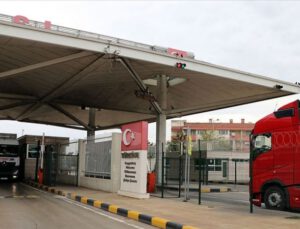
Gümrük alacaklarını yapılandırmaya ilişkin usul ve esaslar belli oldu
72497 kez okundu
4
Gümrük alacaklarını yapılandırmaya ilişkin usul ve esaslar belli oldu
72497 kez okundu
 5
“Ekonomi Bilim Kurulu kurulsun”
71876 kez okundu
5
“Ekonomi Bilim Kurulu kurulsun”
71876 kez okundu

KVKK’dan, sosyal medya platformlarına inceleme

Gazeteci Alican Uludağ tutuklandı

Kadına dayak “kemik kırılmadığı sürece” serbest bırakıldı

Kapasite kullanımı şubatta gerilemeye devam etti

Eski İngiltere Prensi Andrew gözaltına alındı

Bir mobilya piyasadan toplatılıyor

Tüketici güveni 11 ayın en yükseğinde

Ünlülere yönelik uyuşturucu operasyonu: 21 kişi adliye sevk edildi

Ücretsiz HPV aşısı Bilim Kurulu’na takıldı

Ramazan ayı başlıyor

KVKK’dan, sosyal medya platformlarına inceleme
Gazeteci Alican Uludağ tutuklandı
Kadına dayak “kemik kırılmadığı sürece” serbest bırakıldı
Kapasite kullanımı şubatta gerilemeye devam etti
Eski İngiltere Prensi Andrew gözaltına alındı
Bir mobilya piyasadan toplatılıyor
Tüketici güveni 11 ayın en yükseğinde
Ünlülere yönelik uyuşturucu operasyonu: 21 kişi adliye sevk edildi
Ücretsiz HPV aşısı Bilim Kurulu’na takıldı
Ramazan ayı başlıyor
bursa escort görükle eskort görükle escort bayan bursa görükle escort bursa escort bursa escort bayan


 News
News
 Genel
Genel
 Genel
Genel
 Genel
Genel
 KVKK’dan, sosyal medya platformlarına inceleme
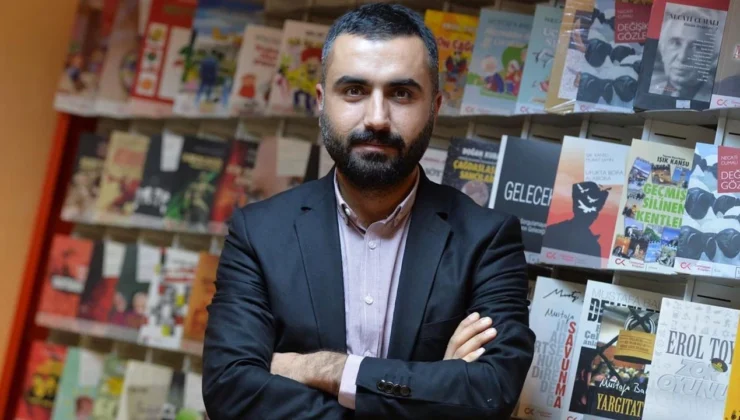 Gazeteci Alican Uludağ tutuklandı
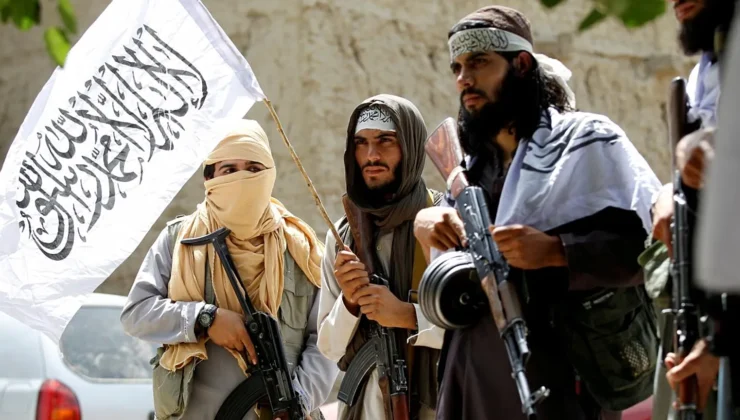 Kadına dayak “kemik kırılmadığı sürece” serbest bırakıldı
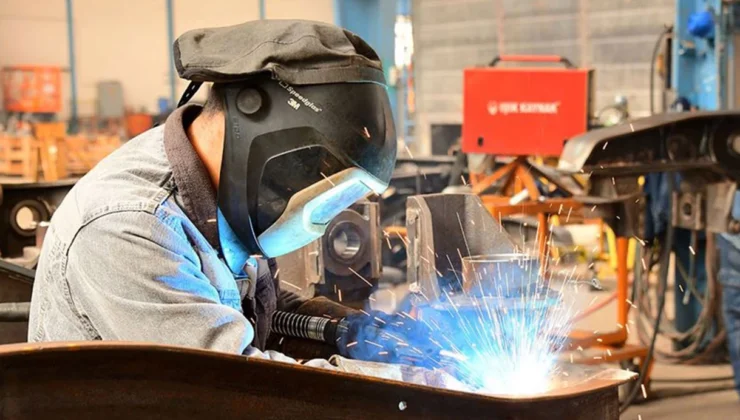 Kapasite kullanımı şubatta gerilemeye devam etti
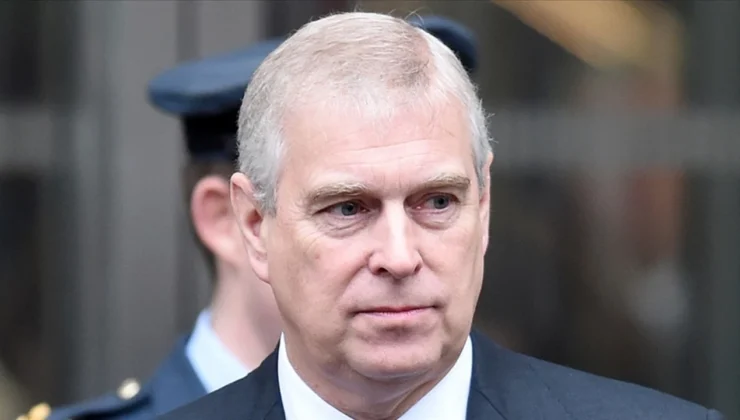 Eski İngiltere Prensi Andrew gözaltına alındı
 Bir mobilya piyasadan toplatılıyor
 Tüketici güveni 11 ayın en yükseğinde
 Ünlülere yönelik uyuşturucu operasyonu: 21 kişi adliye sevk edildi
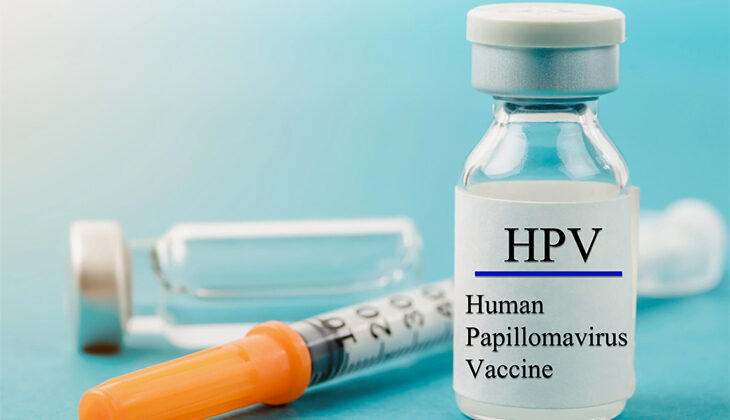 Ücretsiz HPV aşısı Bilim Kurulu’na takıldı
 Ramazan ayı başlıyor
 İşsizlik oranı dördüncü çeyrekte geriledi
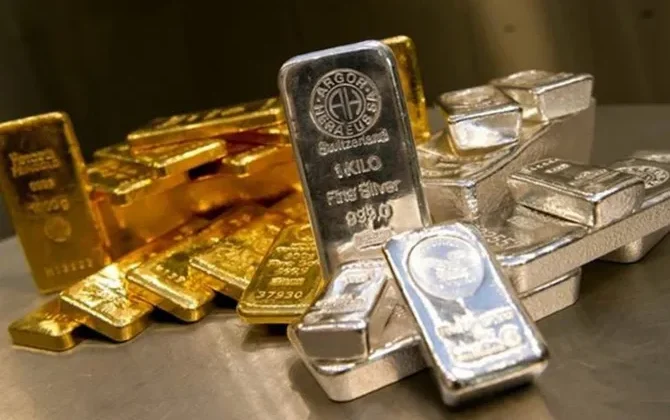 Altın ve gümüş kayıplarını telafi ediyor
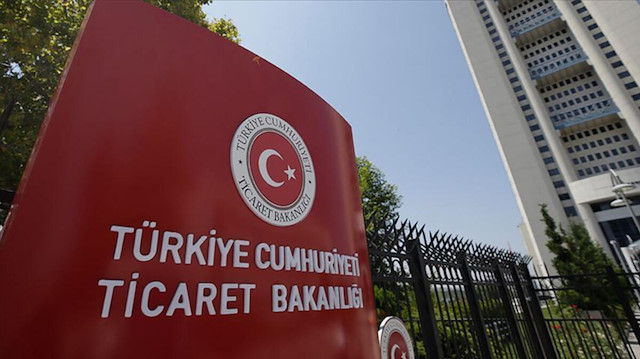 Ticaret Bakanlığı’ndan yasa dışı bahis ve bıçak kararı
 Marmara’da deniz ulaşımına fırtına engeli
 Galatasaray, dünyanın gündemine oturdu.