Okay, so check this out—I’ve been watching DeFi for years, and somethin’ about new farms still gives me a little adrenaline. Whoa! The promise of double-digit APRs is intoxicating. But here’s the thing. Not every juicy APY is real, and some of those “opportunities” are thin ice that melts fast when whales sneeze.
My instinct said “jump in,” early on. Hmm… then reality hit. Initially I thought high TVL always meant safety, but then I realized TVL can be misleading if the token price is pumped. Actually, wait—let me rephrase that: TVL helps, yes, but you must look behind the numbers to the liquidity distribution, lockups, and contract ownership. On one hand you have protocols with audited contracts and long-term incentives; on the other hand you get freshly minted tokens paired with tiny liquidity pools and dev wallet control—though actually sometimes it’s somewhere in between.
Here’s what bugs me about casual scouting: people copy APYs without checking pair ratios, tax mechanics, or how many tokens are owned by insiders. Seriously? It’s like seeing a neon sign that says “Free money!” and walking right in. My gut feeling flagged a dozen projects that looked great on paper but folded after a single bot attack. So yeah, caution—and some skepticism—pays.

How I triage a new farm or trading pair
Quick checklist, from fast intuition to slow verification. Wow! Trust your gut for red flags—but verify everything methodically. First look: is there meaningful liquidity on both sides of the pair? Medium depth matters. Then ask: where is the liquidity locked? Are there timelocks or vesting schedules for dev tokens? Long-term sustainability is often in the details that most traders skip.
1) Liquidity depth and composition. Volume without liquidity is a house of cards. If the pair has 90% of liquidity in a single whale wallet, that’s a risk. Look for stable pairings like ETH or stablecoins, not just a two-token pump. On the other hand, newer chains sometimes demand accepting risk—but price action will show you which way the wind is blowing.
2) Tokenomics & emissions. High emission rates dilute holders. Initially I thought more supply distribution meant fairer decentralization, but then realized aggressive emissions crush price unless demand scales exponentially. So check vesting cliffs, emission schedules, and whether incentives align with long-term usage.
3) Contract visibility. Audits are good, but audits alone don’t guarantee safety. Many audits flag low-risk issues but miss governance traps. Ask: can the owner renounce ownership? What functions can the owner call? If devs can mint or drain liquidity, treat the project like a grenade with the pin half pulled.
4) On-chain signals. Watch for block-level anomalies—sudden buys from new wallets, sniping bots, or rapid changes in pair ratio. Transaction-level analysis tells you much more than marketing decks. Use tools that show real-time liquidity shifts and pair-level charts to stay ahead.
5) Social + code = context. Community isn’t security, but it’s context. Strong, engaged builders with transparent progress reduce odds of straight rug. That said, many scams have good PR; so weigh developer credibility, GitHub activity, and on-chain behavior together.
Okay… so how do you get those on-chain signals fast? I use a real-time pair scanner to follow new listings, volume spikes, and liquidity movements. The dexscreener app has become one of my go-to dashboards for that—fast pair creation alerts and live charts make it easier to see when a pool is being manipulated versus when organic volume is building. I’m biased, obviously, but it helps me separate noise from signal.
One useful trick: monitor the ratio of token to base asset in the pool. If the ratio suddenly shifts after a single large buy, that’s typically a bot-fueled pump. If volume rises while ratio stays steady and depth increases across multiple wallets, you might be witnessing legitimate demand. Not foolproof, but it’s a practical heuristic that saved me from a few bad trades.
Risk management rules I actually use (not just theory): never allocate size purely by APY. Scale into positions. Set slippage limits. Use buy/sell orders when possible. And for yield farming, harvest frequency matters—compounded rewards can look appealing, but gas and tax friction eat returns. I’m not 100% sure about the “perfect” harvesting cadence—no one is—but being intentional beats autopilot farming.
Also, don’t underestimate the human element. Devs burn out, roadmaps stall, market sentiment flips. On one occasion a team delayed a migration for weeks and liquidity bled out while people panicked. That part bugs me—communication matters. If you see vague timelines and disappearing core contributors, treat the project with more skepticism.
Now for some practical red flags that make me say “nope” instantly: centralised router contracts, impossible-to-understand tax/reflection mechanisms, and liquidity that appears during pre-sale then vanishes post-launch. Double warning if the team promises guaranteed returns or if the tokenomics page is a single image—no transparency, no trust.
Execution tips for traders
Trade small until you know the pair. Whoa! Use limit orders where the DEX UI allows. Monitor slippage, and calculate the slippage-adjusted cost before confirming. Watch for sandwich/sniping behavior; if you see consistent front-running on buys, step back.
For yield farmers: check rewards denominated in volatile tokens—your APR can collapse overnight. Diversify strategies across farms and chains. Consider impermanent loss: sometimes a lower APR on a stablecoin pair beats a moonshot token pool when paired with sustainable yield and low IL.
For DeFi ninjas: set alerts on pair liquidity and wallet transactions. Bots move quicker than humans, and having a real-time feed (not just hourly snapshots) is the difference between reacting and being run over by a rug. Real-time apps that track pair creation and liquidity shifts are indispensable in fast markets.
FAQ
How should I prioritize metrics when vetting a farm?
Start with liquidity depth and distribution, then check tokenomics and emission schedule, then ownership controls and timelocks. After that, layer in on-chain behavioral signals like volume composition and ratio stability. Keep an eye on social trust and developer transparency, but let the chain data be the captain of your decision-making.
Can a single tool keep me safe?
No single tool is a silver bullet. Use a mix: pair scanners for real-time alerts, explorers for contract reads, and community channels for context. Tools like the dexscreener app give speed and visibility, but combine that with manual checks and conservative sizing.
To wrap up—well, not a wrap-up really, more like a checkpoint—be curious but suspicious, move fast but verify slowly, and plan exits before you enter. Markets change. Strategies that worked last quarter may not work this quarter. I’m biased toward on-chain evidence over hype, and that bias has kept me in positions where I could breathe through the volatility. Keep your toolbox sharp, watch the pool math, and remember: capital preservation wins more than chasing yields every single time.







 News
News
 Genel
Genel
 Genel
Genel
 Genel
Genel















 Ramazan ayı başlıyor
 İşsizlik oranı dördüncü çeyrekte geriledi
 Altın ve gümüş kayıplarını telafi ediyor
 Ticaret Bakanlığı’ndan yasa dışı bahis ve bıçak kararı
 Marmara’da deniz ulaşımına fırtına engeli
 Galatasaray, dünyanın gündemine oturdu.
 Ahmet Davutoğlu: Açık söyleyeyim maddi sıkıntılar yaşıyorum
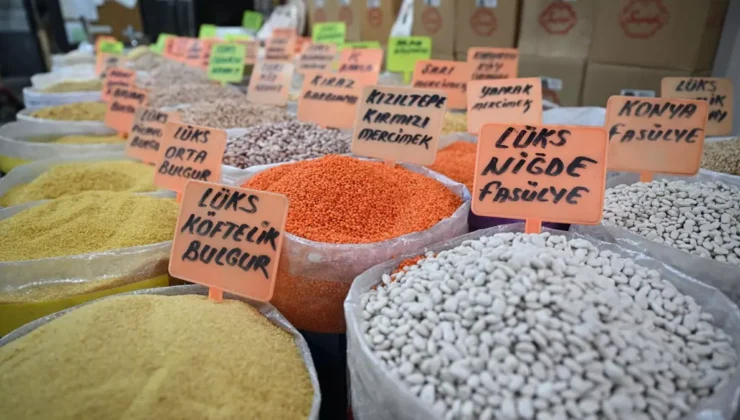 Ramazan ayı boyunca fiyatlar sabitlenecek
 Altın ve gümüş yeniden düşüşte
 Yasa dışı bahis operasyonu. Bir futbol kulübüne el konuldu
 Ünlülere uyuşturucu operasyonu
 Türkiye’nin modernleşme serüveninde bir dönüm noktası
 İmamoğlu’nun yargılandığı diploma davasında kritik karar
 Almanya; “Türkiye’de 4 ile gitmeyin”
 Özgü Namal’ın Türkiye yanıtı takdir topladı