22 Şubat 2026 itibariyle Covid-19 ile mücadelede aşılanan sayısı kişiye ulaştı.


17:29 /
Ramazan ayı başlıyor
22 Şubat 2026 itibariyle Covid-19 ile mücadelede aşılanan sayısı kişiye ulaştı.



Okay, so check this out—mobile wallets are everywhere now. Wow! They feel effortless, like tapping to pay at a coffee shop, and that convenience seduces you real quick. My first impression was pure excitement: access to accounts anytime, push notifications, a slick UX. Initially I thought that would be enough—until a couple of scares made me rethink everything. On one hand mobile apps are insanely practical; on the other hand they expose keys to a whole different threat model, and honestly, that part bugs me.
Here’s the thing. Smartphones are general-purpose machines. Seriously? Yes. They run dozens of apps, background services, and sometimes sketchy code. Hmm… that surface makes storing private keys risky unless you take extra precautions. I want to be candid: I’m biased toward using a hardware wallet for long-term holdings. Still, I’m not dismissing mobile wallets entirely—there’s a role for both. My instinct said go hardware-first, but then practical needs forced a hybrid approach that actually works.
Let me lay out how I think about risk, in plain terms. Short-term funds for trading or spending go into a mobile wallet. Long-term savings—cold-storage. Simple rule, but the devil’s in the implementation. Initially I thought seeds could just be scribbled and locked in a drawer. Actually, wait—let me rephrase that: paper backups help, but they bring their own problems like water damage, theft, and user error. On one hand paper is offline; though actually on the other hand it’s fragile and human beings are messy.

Start with the common adversaries. Phishing is king. Malicious apps that mimic wallet GUIs are everywhere. Exploit chains—zero-days, clipboard hijackers, and Android accessibility abuse—show up in headlines. Then there’s account recovery scams where social engineering beats technical safeguards. My experience (and I’ve seen this with friends) is that the human element often gets exploited faster than technical holes are found. Something felt off about a support request once, and that hesitation saved funds.
Short summary: use a hardware wallet for anything you can’t afford to lose. Simple. Really? Yes.
Now some nuance. Hardware wallets vary. Some store keys in secure elements that resist physical extraction, while cheaper devices rely on microcontrollers with fewer protections. There are tradeoffs: convenience versus blast-proof security. I once tested a handful of devices; one model had the most elegant app but a poor supply-chain story. That experience made me prioritize provenance and firmware transparency over glossy marketing. Oh, and by the way, user experience matters—people will skip safety steps if they’re painful, and then you end up with bad outcomes.
Mobile apps add convenience layers: portfolio views, swap integrations, and quick on-ramps. They can pair safely to hardware wallets via QR or Bluetooth, enabling secure signing while keeping an interface on your phone. That pairing pattern is powerful because it isolates the private key in hardware, while the phone handles the noisy UI. My gut reaction was relief the first time I used this pattern—it felt like having the best of both worlds.
When you choose a hardware wallet, check for these traits. Secure element or CC EAL-certified chips. Transparent open-source firmware, or at least independently audited closed firmware. Robust seed backup mechanisms and clear recovery workflows. Supply-chain protections—tamper-evident packaging, and reputable vendors. I’m not 100% sure about every vendor’s manufacturing chain, but I prioritize companies with strong community scrutiny and regular third-party audits.
Okay, so check this out—if you’re leaning toward a specific brand, do a little homework. Read audits. Search for supply-chain discussions. Ask in communities; the crowd spots red flags early. For newcomers, a practical option is to buy a hardware wallet from an authorized reseller or directly from the manufacturer’s site to minimize tampering risk. If you prefer reading, the community often posts step-by-step verifications that show how to confirm a device is genuine.
One thing I keep repeating to folks is: never paste seed phrases into a phone or PC clipboard. Clipboard malware exists. It’s low-hanging fruit for attackers, and very avoidable. Seriously—don’t do it. Use the device’s own recovery flow or a trusted offline tool. Also, consider using passphrases (BIP39 passphrase/slip39-style sharding if you can manage the complexity) as an extra layer, though these increase recovery complexity dramatically. On one hand they add security; on the other hand they create a single point of failure if you lose the passphrase and the seed simultaneously.
About tradeoffs: if you need daily liquidity, a mobile wallet with small balances is fine. For larger pools, hardware custody is the path I’d pick. The friction of hardware—powering up, confirming a transaction, sometimes awkward UX—forces you to slow down and, weirdly, to be more deliberate. That friction is safety. I know that sounds counterintuitive in a fintech world obsessed with instant flows, but deliberate security beats instant regret.
Another tangible risk is Bluetooth versus air-gapped signing. Bluetooth pairing is convenient. It also expands the attack surface. Air-gapped devices, where QR codes or microSD cards shuttle unsigned transactions, are safer but slower. My take: for sizable long-term holdings, choose an air-gapped or secure-element hardware wallet. For mid-sized amounts you plan to move occasionally, Bluetooth is acceptable if you keep firmware updated and validate every transaction on-device.
Here’s an example of a pragmatic setup I use: a hardware wallet for the majority of my crypto, a mobile wallet with tiny balances for DEX interactions, and a dedicated burner phone that runs only wallet-related apps for some higher-risk activity. That seems extreme, but it balances usability and compartmentalization. Initially I thought the burner-phone idea was overkill, but after a phishing attempt targeted my main device, I appreciated the extra isolation. Some folks might call that paranoid. I’m okay with that label—paranoia can be productive.
What about recovery? Multi-sig is underrated. Two or three key holders across different devices or custodians drastically reduces single-point-of-failure risk. Tools like hardware multisig setups exist and they aren’t as impossible as they sound once you get past the learning curve. On the flip side, multi-sig adds coordination cost—if one signer goes missing, recovery can be painful. Weigh the complexity against the value being protected.
Wallet hygiene tips I give friends: keep firmware current, verify firmware signatures before updating, audit the app permissions on your phone, avoid non-official wallet apps, use strong OS-level authentication, and never reuse passwords across services. Also, back up seeds in multiple physical locations using durable materials—metal plates survive disasters paper cannot. I’m biased toward redundancy; once you’ve lost access to a treasure chest because of a single forgotten note, you’ll appreciate redundancy too.
Here’s a quick note about vendor recommendations. I find it helpful to point to devices and ecosystems that let you pair mobile convenience with hardware security. For example, safepal offers hardware-plus-mobile workflows that appeal to people who want mobile UX without surrendering keys. I linked that because it demonstrates the pairing model cleanly, and it has community visibility, though every buyer should still verify their purchase path and firmware authenticity.
One more nuance—privacy. Mobile wallets often leak metadata: which addresses you check, which tokens you view, and when you transact. Hardware wallets don’t magically fix blockchain-level privacy leaks, but they do limit host compromise. Combine hardware with privacy practices like rotating addresses, avoiding address reuse, and leveraging privacy-focused tools when needed. Personally, I avoid broadcasting large swaps from my main public wallet; that small habit lowered my profile substantially.
Now for the messy part. People screw up. They lose seeds, fall for scams, or buy tampered devices. Education matters and it’s uneven. I used to assume basic safety steps were obvious, but they aren’t. A friend once handed their seed phrase to someone pretending to be support. That still stings. Training and repeated warnings help but are insufficient; we need better UX that prevents errors without requiring deep crypto knowledge.
So what should you do tomorrow? A simple checklist: (1) move only small amounts to mobile wallets; (2) buy a hardware wallet for larger holdings from a trusted source; (3) enable on-device confirmations and verify transaction details on the device screen; (4) back up seeds on durable medium and across locations; (5) consider multisig for serious holdings; (6) keep firmware updated and verify signatures; and (7) practice safe habits—don’t paste seeds into apps or share QR codes casually.
I’m still learning. Some technical corners—supply-chain risk mitigation and advanced multisig recovery—are areas I admit I’m not an expert in, and I lean on community audits and specialists for those. That humility keeps me skeptical and curious, which I think is healthy in crypto. Also, somethin’ about this space keeps pulling me back: the balance of autonomy and responsibility is intoxicating.
A: For small, everyday amounts yes—convenience wins there. For significant holdings, no. Use hardware custody or multisig to reduce single points of failure. Really, it’s about matching risk tolerance to value stored.
A: Not necessarily. Bluetooth increases the attack surface but modern devices mitigate risks with secure pairing and transaction confirmation screens. For top-tier security, choose air-gapped options; for balanced convenience, choose secure-element devices and keep firmware current.
A: Buy from authorized channels, inspect tamper seals, verify device firmware signatures, and follow manufacturer verification steps. Community guides often show step-by-step checks that catch common tamper techniques.
Okay, to wrap this up—well, not wrap, more like to leave you with a final nudge—be deliberate. Hardware wallets add a small bit of friction that pays off big when things go sideways. My instinct told me early on to respect that friction, and experience confirmed it. I’m not trying to spook you; I’m trying to shift habits away from casual custody and toward thoughtful resilience. If that sounds like overkill, start small: secure your seed properly today, and scale up protections as your holdings grow. You’ll thank yourself later… or at least you won’t curse the day you left your keys on a phone.
Why Interactive Brokers TWS Still Matters — and How to Make It Work for You
 1
İş dünyası 2020’ye umutla bakıyor
412597 kez okundu
1
İş dünyası 2020’ye umutla bakıyor
412597 kez okundu
 2
Sanayi Bakanı Müjdeyi verdi!
294854 kez okundu
2
Sanayi Bakanı Müjdeyi verdi!
294854 kez okundu
 3
Dış ticaret açığı, ağustosta yüzde 168 arttı
110546 kez okundu
3
Dış ticaret açığı, ağustosta yüzde 168 arttı
110546 kez okundu
 4
Gümrük alacaklarını yapılandırmaya ilişkin usul ve esaslar belli oldu
72921 kez okundu
4
Gümrük alacaklarını yapılandırmaya ilişkin usul ve esaslar belli oldu
72921 kez okundu
 5
“Ekonomi Bilim Kurulu kurulsun”
72296 kez okundu
5
“Ekonomi Bilim Kurulu kurulsun”
72296 kez okundu

KVKK’dan, sosyal medya platformlarına inceleme

Gazeteci Alican Uludağ tutuklandı

Kadına dayak “kemik kırılmadığı sürece” serbest bırakıldı

Kapasite kullanımı şubatta gerilemeye devam etti

Eski İngiltere Prensi Andrew gözaltına alındı

Bir mobilya piyasadan toplatılıyor

Tüketici güveni 11 ayın en yükseğinde

Ünlülere yönelik uyuşturucu operasyonu: 21 kişi adliye sevk edildi

Ücretsiz HPV aşısı Bilim Kurulu’na takıldı

Ramazan ayı başlıyor

KVKK’dan, sosyal medya platformlarına inceleme
Gazeteci Alican Uludağ tutuklandı
Kadına dayak “kemik kırılmadığı sürece” serbest bırakıldı
Kapasite kullanımı şubatta gerilemeye devam etti
Eski İngiltere Prensi Andrew gözaltına alındı
Bir mobilya piyasadan toplatılıyor
Tüketici güveni 11 ayın en yükseğinde
Ünlülere yönelik uyuşturucu operasyonu: 21 kişi adliye sevk edildi
Ücretsiz HPV aşısı Bilim Kurulu’na takıldı
Ramazan ayı başlıyor
bursa escort görükle eskort görükle escort bayan bursa görükle escort bursa escort bursa escort bayan


 News
News
 Genel
Genel
 Genel
Genel
 Genel
Genel
 KVKK’dan, sosyal medya platformlarına inceleme
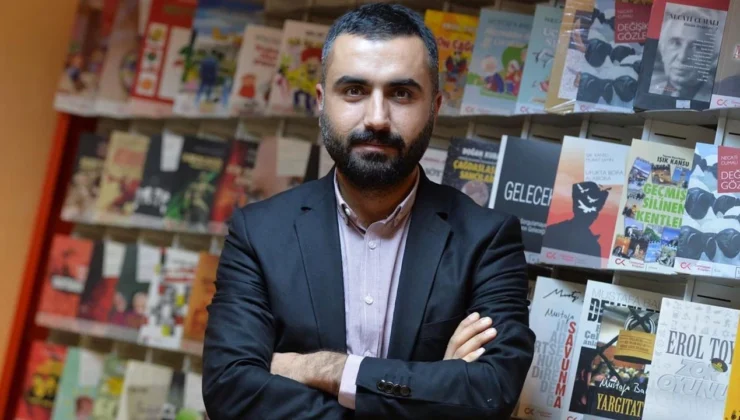 Gazeteci Alican Uludağ tutuklandı
 Kadına dayak “kemik kırılmadığı sürece” serbest bırakıldı
 Kapasite kullanımı şubatta gerilemeye devam etti
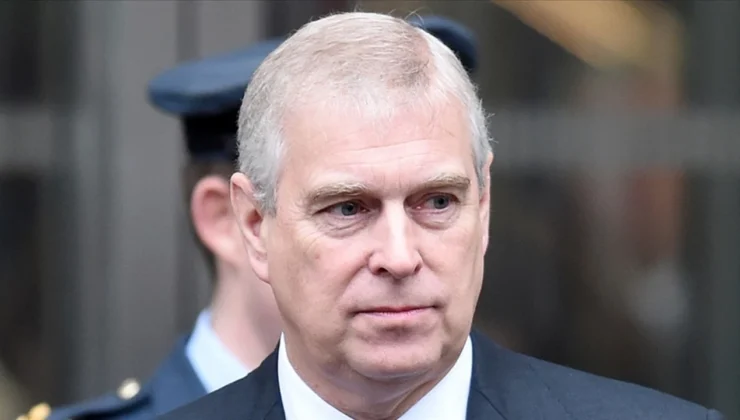 Eski İngiltere Prensi Andrew gözaltına alındı
 Bir mobilya piyasadan toplatılıyor
 Tüketici güveni 11 ayın en yükseğinde
 Ünlülere yönelik uyuşturucu operasyonu: 21 kişi adliye sevk edildi
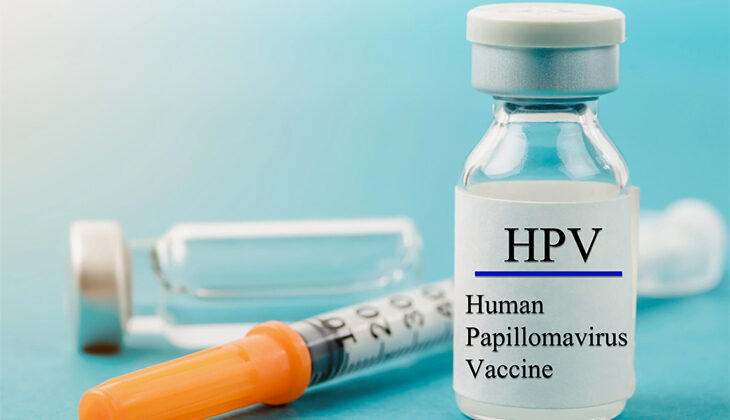 Ücretsiz HPV aşısı Bilim Kurulu’na takıldı
 Ramazan ayı başlıyor
 İşsizlik oranı dördüncü çeyrekte geriledi
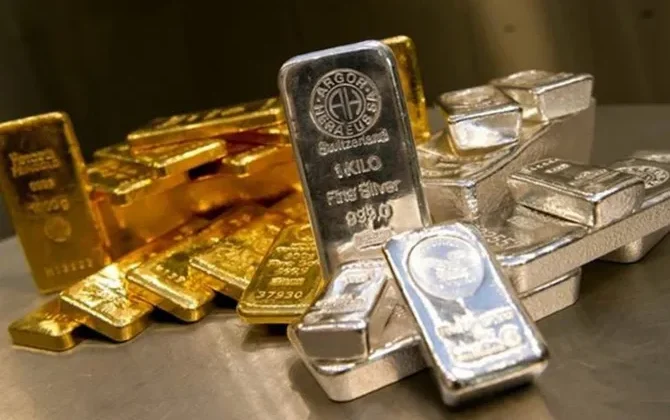 Altın ve gümüş kayıplarını telafi ediyor
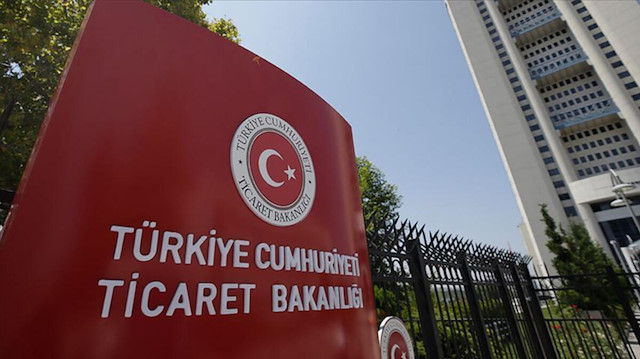 Ticaret Bakanlığı’ndan yasa dışı bahis ve bıçak kararı
 Marmara’da deniz ulaşımına fırtına engeli
 Galatasaray, dünyanın gündemine oturdu.