Whoa!
I was nervous at first about managing private keys on my own.
My instinct said hand everything to an exchange, oddly comforting but risky.
Initially I thought a software wallet was enough, but then realized that without an air-gapped seed and tamper-resistant hardware you’re relying on multiple weak links that can fail simultaneously.
Here’s the thing.
Seriously?
Most people don’t understand how simple physical attacks can bypass software protections.
A mailbox analogy helped me: leaving cash in a mailbox looks convenient till someone grabs it, kind of like leaving keys in your glovebox during a Boston winter.
On one hand convenience feels great, though actually if an attacker gets your email or phone they can social-engineer access to many custodial services, and that cascade can be brutal.
Hmm…
Wow!
Hardware wallets like Trezor isolate your seed phrase from the internet entirely.
They sign transactions on-device and only broadcast the signed transaction, which keeps private keys offline.
Actually, wait—let me rephrase that: the device itself holds the secret, displays readable transaction details to you, and verifies addresses and amounts through independent screens to thwart malware-driven address substitution, making remote theft far harder.
I’m biased, but that setup resonates with how I secure other high-value items.
Really?
Yes, and the small display matters more than many people realize.
If malware can change what’s shown on your computer it can’t change what appears on your hardware wallet screen.
On the other hand, hardware isn’t invincible; supply-chain attacks and sophisticated physical tampering are real concerns for high-value holders who face targeted adversaries, and that’s why provenance, tamper evidence, and purchase channels matter a lot more than box art and branding.
Somethin’ felt off about cheap, unverified clones, so I stopped buying from third-party sellers.
Whoa!
The Trezor family has been industry visible for years with an audit trail.
A trusted manufacturer who publishes firmware and welcomes audits reduces systemic risk.
Initially I assumed all hardware wallets were equal, though then I dug into open-source firmware, reproducible builds, and community disclosures, which shifted my view toward devices backed by transparent development and active security research.
I’m not 100% sure, but transparency matters.
Hmm…
Okay, so check this out—there’s an official Trezor resource that lists downloads and guidance.
You can find setup instructions and firmware on their official presence which helps reduce the chance of installing compromised software.
Because supply-chain attacks often start with fake installers or misdirected downloads, always go to the vendor’s official site and verify URLs, signatures, and checksums before you flash anything, and if you’re juggling multiple accounts consider signing firmware verification steps in a separate, well-documented session.
I’ll be honest—this step is tedious but very very important.

A practical guide to choosing and using a Trezor device
Here’s the thing.
If you want to buy and set up a Trezor, start with the vendor’s official page to avoid counterfeit downloads.
Go to trezor official and verify the steps, read the checklist, and follow firmware verification.
On one hand following the checklist feels slow, though actually it reduces errors like seed backups to insecure places and prevents accidental exposure during initial setup.
My instinct said double-check every prompt during recovery.
Wow!
Use a new seed for cold storage and keep it offline in a safe.
Avoid digital photos, cloud backups, or text files for storing your recovery phrase.
For high-value holdings consider splitting a mnemonic with a Shamir backup or metal-engraved backup plates resistant to fire and water, because physical durability of your recovery matters as much as secrecy.
This part bugs me.
Seriously?
People often skip passphrase protection thinking it’s optional.
A passphrase adds plausible deniability and creates a different wallet tied to the same seed, which can be crucial if you face extortion.
On the flip side, a passphrase is another secret to lose and if you forget it there’s no recovery, so manage it like a high-quality password or hardware-backed secret.
I’m biased, but I use a memorable passphrase pattern and a written hint in a separate location.
Whoa!
Operational hygiene matters: don’t plug your seed into unknown devices.
Update firmware from verified sources, avoid jailbroken machines, and prefer air-gapped signing for major transfers.
Initially I thought ad hoc setups would be fine, but after testing transaction signing in a controlled environment I realized the cumulative small mistakes are often the vector attackers use, so treat each step as part of a chain where the weakest link defines your risk.
Oh, and by the way… use multi-sig if you really care about defense in depth.
Hmm…
Multi-signature setups spread risk across devices and people.
They add complexity but remove single points of failure, which is ideal for organizations or family vaults.
On one hand configuring multisig requires careful backup planning and test restores, though actually when implemented cleanly you gain resilience against theft, loss, and insider threats that would otherwise drain a single key.
I once had a friend lose access because his only backup was a phone screenshot—learn from that.
Wow!
Buying from reputable stores and checking tamper evidence reduces supply risk.
Keep receipts and serial numbers, and consider registering device details in an offline inventory.
Finally, remember that security is behavioral: you can own the best hardware wallet but if you blur procedures, reuse passwords, or ignore firmware alerts your defenses degrade rapidly.
I’ll leave you with one honest thought: protect the seed like it’s the last key to your house.
Common questions about hardware wallets
Do I need a hardware wallet for small amounts?
If by small you mean pocket change, maybe not; but consider risk tolerance and exposure—if losing those funds would sting, a hardware wallet is worthwhile, and even modest holdings benefit from private key isolation.
Can I recover my coins if the device breaks?
Yes, assuming you have your recovery phrase stored securely; the entire point of the seed is to restore access, which is why physical durability and tested restores are critical parts of a safe workflow.
What about buying used devices?
Avoid them unless you can fully reset, update firmware from verified sources, and confirm no tampering; honestly, buying new from trusted channels is simpler and safer for most people.







 News
News
 Genel
Genel
 Genel
Genel
 Genel
Genel

















 Eski İngiltere Prensi Andrew gözaltına alındı
 Bir mobilya piyasadan toplatılıyor
 Tüketici güveni 11 ayın en yükseğinde
 Ünlülere yönelik uyuşturucu operasyonu: 21 kişi adliye sevk edildi
 Ücretsiz HPV aşısı Bilim Kurulu’na takıldı
 Ramazan ayı başlıyor
 İşsizlik oranı dördüncü çeyrekte geriledi
 Altın ve gümüş kayıplarını telafi ediyor
 Ticaret Bakanlığı’ndan yasa dışı bahis ve bıçak kararı
 Marmara’da deniz ulaşımına fırtına engeli
 Galatasaray, dünyanın gündemine oturdu.
 Ahmet Davutoğlu: Açık söyleyeyim maddi sıkıntılar yaşıyorum
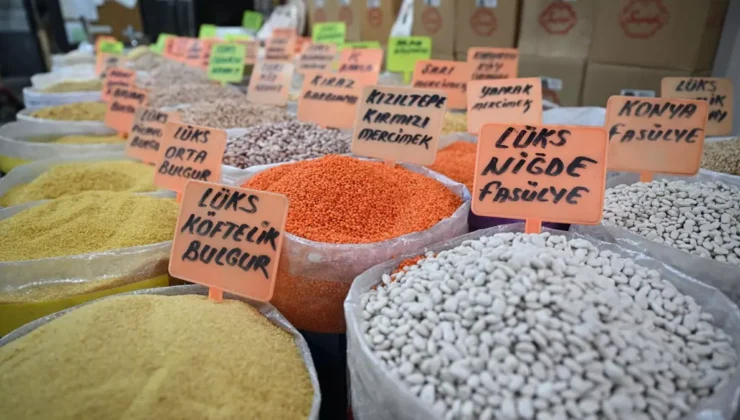 Ramazan ayı boyunca fiyatlar sabitlenecek
 Altın ve gümüş yeniden düşüşte
 Yasa dışı bahis operasyonu. Bir futbol kulübüne el konuldu